How Smartphones are Becoming Exciting Again
Smartphones are finally becoming fun again, with many companies attempting to change the form factor away from the typical slab or trying to make that slab at least more interesting. Nothing’s latest release, the iPhone Air, S25 Edge, and many Chinese flagships have attempted to reignite customers' interest in the slab, but there is also an exciting amount of new form factors emerging. The Galaxy Z Trifold, Huawei Pura X, the Clicks Communicator, and others have shown that there is public demand for something different and exciting.
History Repeats
For anyone born in the 90’s or earlier, this may all look familiar. The traditional cellphone was going through a similar renaissance at the same time the smartphone was introduced. The smartphone is now going through this same cycle, refinement has largely run its course and now the category is splitting into different form factors and implementing flashy features in an attempt to capture public attention and find new audiences. Some have made the claim that this similarity points to the smartphone being towards the end of its lifecycle and a new technology (largely based on AI) will soon replace it. I personally do not think this is the case, but we can look at the evolution of the cellphone and see what is in store for smartphones for the foreseeable future.
The cellphone was a technological marvel when it was released. It started out prohibitively costly and incredibly bulky. Throughout the 90s the cellphone was refined, and a small chunky bar phone was the most popular style for much of the time. Nokia was the dominant brand at the time, and adding the game Snake was considered a huge feature when it was released. The Blackberry’s form factor had quickly taken over the business world as an email pager, and later added cellular functionality in 2002. Companies managed to shrink or hide the antennae, get better battery life, and put better screens on the device. It was refinement, but not excitement or innovation that would capture the attention of the typical consumer and make them want to upgrade.
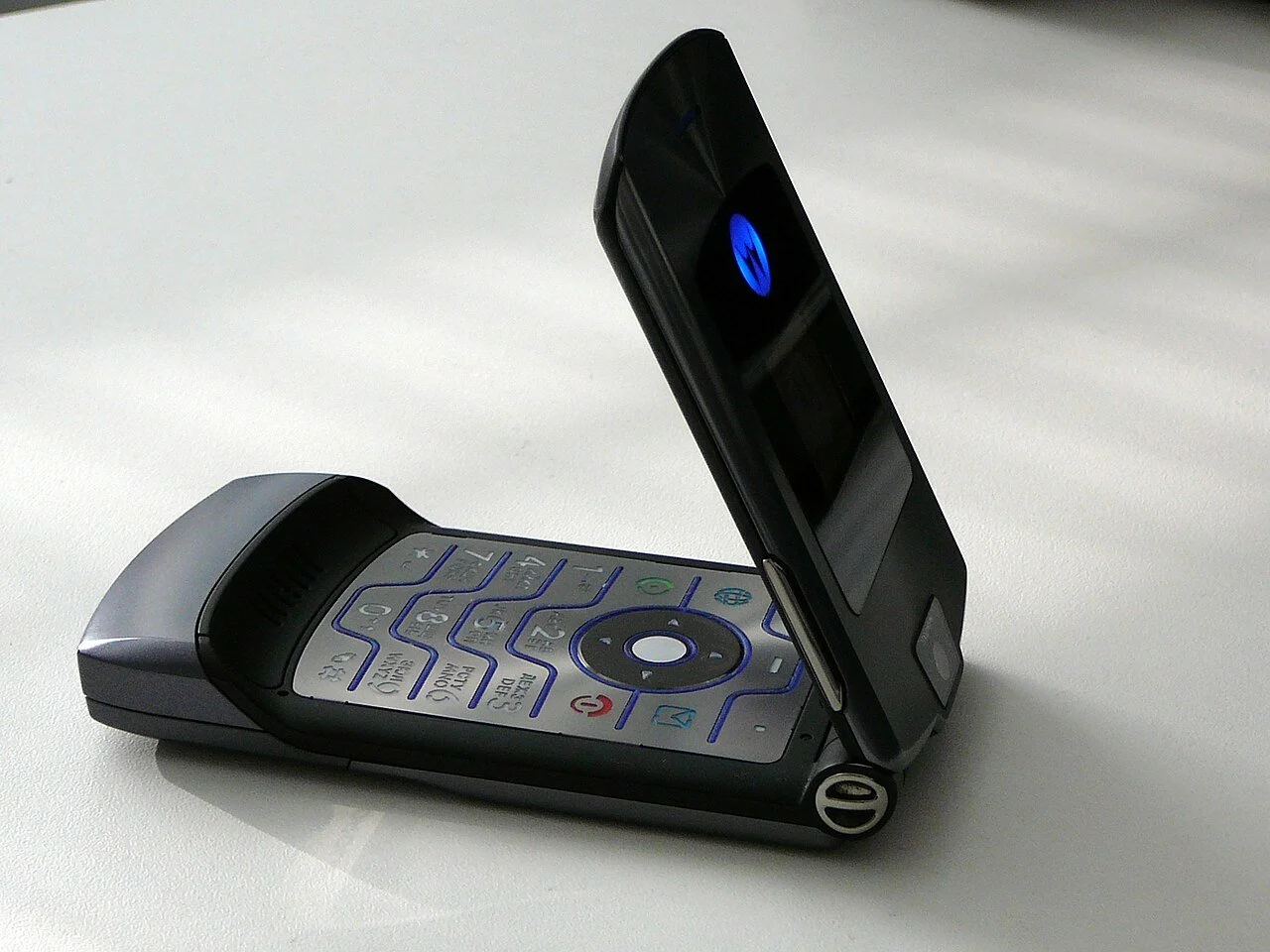
This changed with the Motorola Razr, which was incredibly slim, designed to look futuristic, and it quickly captured the attention of consumers. The ads were flashy, and the cellphone became more than just its utility. The Blackberry had defined itself as a status symbol in the business world, but now there was a cellphone for everyone else that was just as much of a status symbol. It was a hit, especially with younger demographics. Much like the iPhone today, the Razr became the “coolest” phone for any high school or college student to have. This did not go unnoticed by other companies, and this set off a new race to make the next big hit.
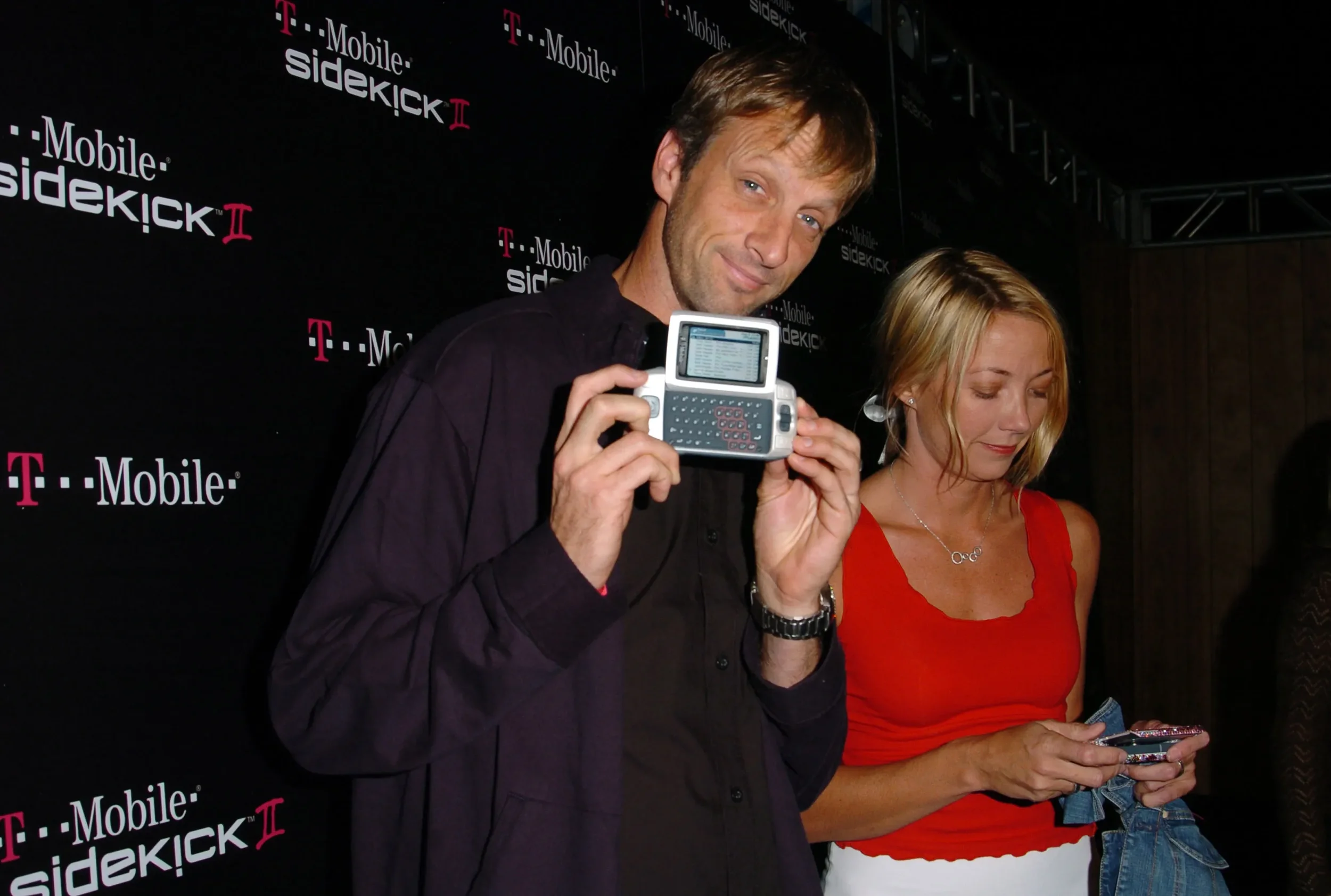
Over the next few years the cellphone changed drastically. Companies began trying a variety of different form factors, all exciting in their own way. Not all succeeded obviously, but there are several that are worth highlighting. The LG Chocolate attempted to combine the cellphone and MP3 player in a form factor that was compact and wrapped in an attention-grabbing aesthetic. They also released the LG Envy, a thick bar phone that you could flip open and have a full QWERTY keyboard on one half, and a screen with dedicated speakers on the other. Most people that grew up in this time will also remember the T-Mobile Sidekick, with a screen that would spring from the phone and reveal a full keyboard. There was an incredible amount of variety a customer could choose from, depending on what they prioritized. These features were all outshined by the iPhone, which released in 2007 and quickly rendered the more feature diverse cellphone irrelevant. While the lifecycle of the typical cellphone overlapped with the smartphone, it could not compete and went the way of the MP3 player.
So why does any of this matter to someone evaluating the smartphone market today? I am guessing that anyone reading this would consider themselves a tech enthusiast, and as an enthusiast you are fascinated by the developments in the sector. By looking back at the maturation of the cellphone, followed by its diversification, you can start to see that the smartphone is where the cellphone was in the mid 2000s. Most phones have looked the same for a while, with some exceptions that do not make up a considerable market share. This is now changing, and it is one of the most exciting times to be a tech enthusiast.
Folds, Keyboards and Aspect Ratios
The foldable category is going to get an Apple addition this year, which is predicted by many analysts to push the foldable market into the mainstream. Foldables have also refined, and now the foldable market is seeing a variety of aspect ratios, screen sizes, and form factors. The Huawei Pura X, Samsung Trifold, and Motorola Razr all reflect a diversification in the smartphone market. The consumer has a multitude of options, and that is in addition to the slab smartphone that is also seeing somewhat of a renaissance.
The new thin phones from Apple, Samsung, and many Chinese brands show that the slab doesn’t have to be completely stagnant. Companies are starting to break up their lineups, with Apple’s Pro/Ultra devices being separated from the entry, mid-level and thinner iPhone. Analysts are predicting that the devices will even be launched on different schedules moving forward. Rumors suggest Samsung is mulling this same idea.
In this landscape you can also find unique brands attempting something new. The Unihertz Titan and Clicks Communicator are two great examples. A blend of old and new, these devices bring back physical keyboards and attempt to find a market share in people that want less social media and more basic utility from their devices. Similar devices have existed before, but they attempted this at a time when the market was shifting from traditional cellphones into the smartphones. The physical keyboard was seen as a relic, and the market was focused on the new slab smartphone.
Now we get real diversification in the smartphone market. You can have an ultra-refined slab phone with the latest cameras, screens, and battery. You can try a foldable, in almost any conceivable form factor and aspect ratio (within reason). You can also step back from these types of devices and get something like the Clicks Communicator for doing just what you really need it to do. This isn’t the end of the cycle, it’s a new and exciting beginning of a diversification of the smartphone at the consumer level. Peripheral devices are also improving at the same time, which means that the smartphone will be able to diversify even further. Having smart glasses may mean that you may no longer need a foldable, and you are now in the market for a simpler device to function as the hub of your ecosystem. Your options for achieving your technological needs will become exponentially more open, and if you enjoy tech, there is a lot to look forward to.