Pixel 10 Pro Fold 6-Month Review
When the Pixel 10 Pro Fold was first unveiled, I’ll be honest: I was less than impressed. Looking at the leaks and the eventual reveal, it felt like a carbon copy of the 9 Pro Fold that came before it. The silhouette was the same, the dimensions were nearly identical, and I found myself genuinely hesitant to pull the trigger on an “upgrade” that looked like it was standing still.
What eventually pushed me over the edge wasn't some revolutionary new feature, but a more practical domestic situation. My wife, Jessi, had decided she wanted to move into my 9 Pro Fold and since I need to keep a Pixel foldable on hand for my content, I figured I might as well buy the new one and see if there was anything I missed. It only took a few days of actual use to realize that there was more to the story than I had thought. Not a lot, but at least a little.
6-Month Hardware Test
Before we dive into the nitty-gritty, I need to clarify that I haven't carried this as my sole device every single day for the last six months. However, it has been a constant in my rotation; it’s never gone more than a few days without being in my pocket and being put through its paces, so I have a very good sense of how it’s aging.
The standout improvement right out of the gate is the hinge. It feels quite refined and smooth, with a continuous resistance from the moment you start to open it until it’s fully flat. There’s a satisfying snap as it closes as well. Best of all, I haven't experienced any of those unsettling "crackling" or "crunching" noises that haunted some of my earlier Pixel foldables. It just feels solid.
That said, some of the classic Pixel Fold "character traits" are still present:
The Crease: It’s still definitely more noticeable than what you’ll find on the latest Chinese foldables. You’ll see it of axis or in certain lighting, and you’ll definitely feel it.
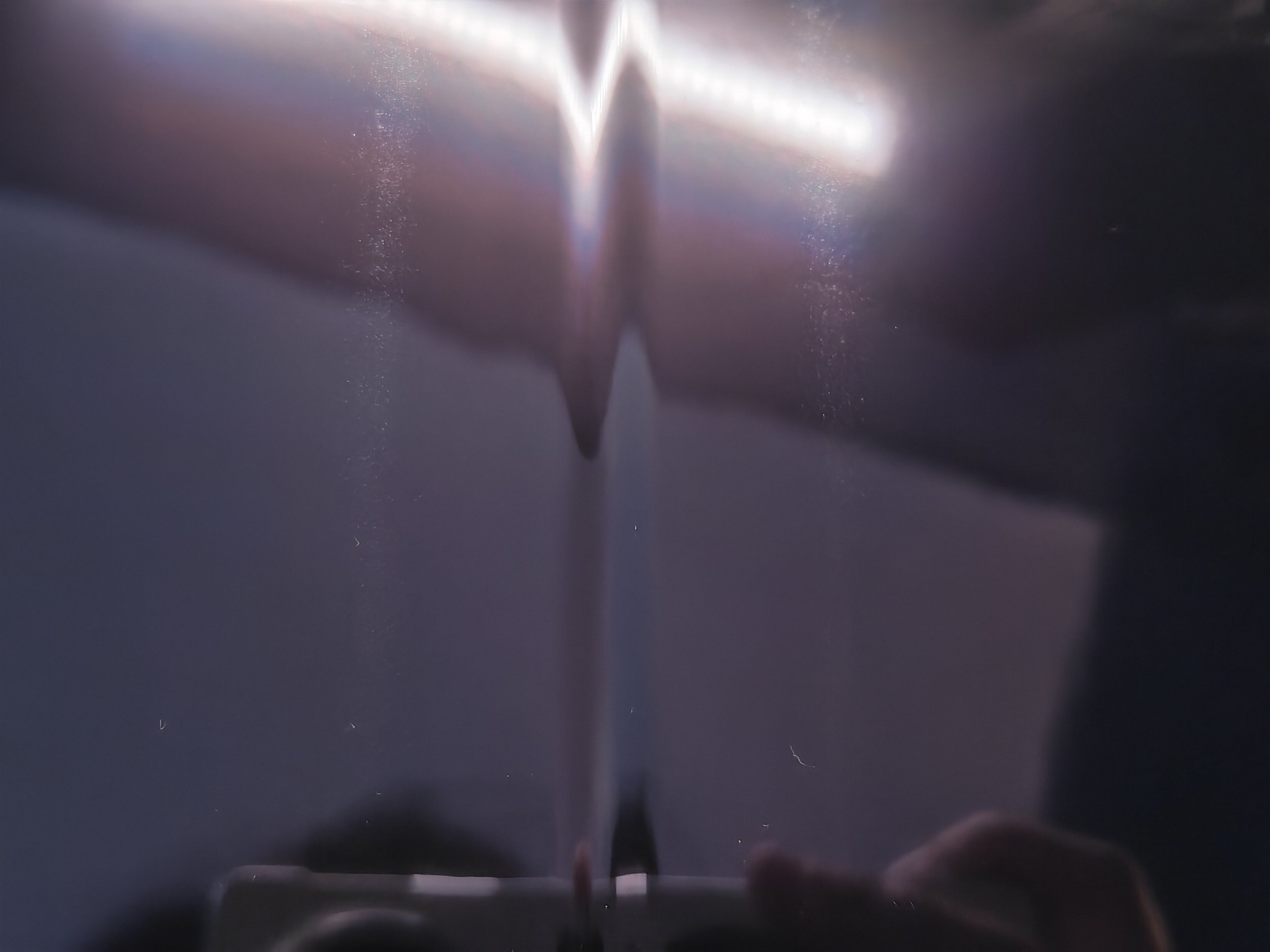
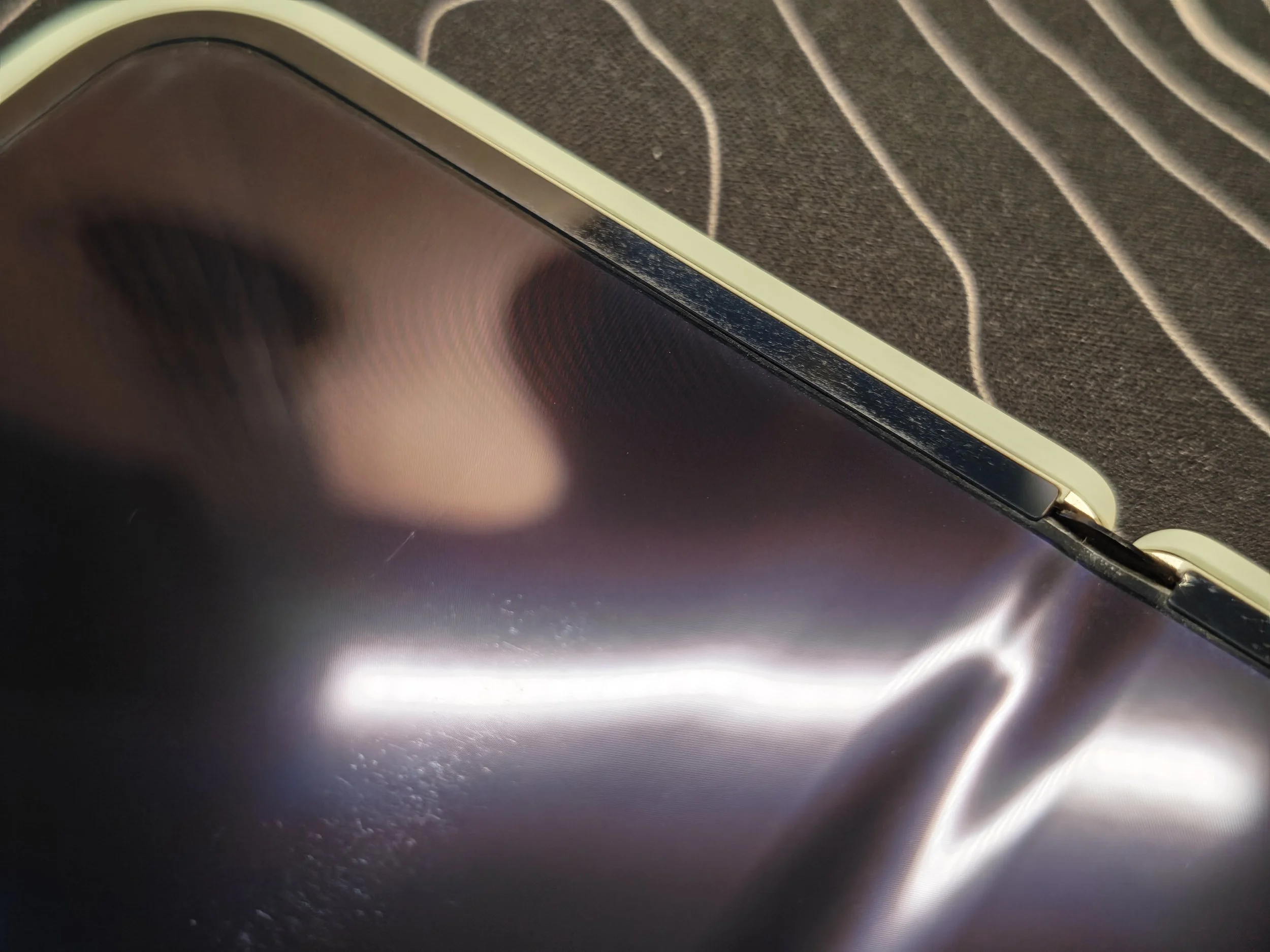
The "Contact" Scratches: Like the models before it, I’m seeing those parallel micro-scratches on the inner screen where the display essentially touches itself when closed.
The Inner Bezel: I’m also noticing the typical micro-abrasions around the inner plastic rim/bezel. It’s a common Pixel Fold problem, and the 10 Pro Fold hasn't escaped it.
Despite those small "battle scars," the hardware itself feels like a tank. If you ignore the micro-scratches I mentioned, the phone looks essentially brand new.
I am someone who heavily values a certain feel in the hand and while the Pixel Fold feels premium, it also does feel a bit brick-like to me. While this is not a deal breaker, it is something I want to mention. I have tried a few different case options for this phone, but due to it already being thicker than my Z Fold or my Oppo/Honor devices, the case is a non-starter. It makes the thing feel enormous and the 260g weight isn’t helping. Because of that, I’ve primarily used this phone case-free with a magnetic grip to the back.
Compared to other foldables I use, the speakers remain among the best. Due to the positioning of the speakers, you get stereo separation in any orientation and the audio is both loud and full enough for me to be happy. We’re talking about devices which are like 5mm thick, so the audio isn’t quite on the level of a flagship slab nearly twice as thick, but it’s still quite good.
However, on a purely subjective level, I just don't love the aesthetic. The camera bump, with those two distinct pill-shaped cutouts, still looks a bit odd to me. Then there’s the asymmetrical design where one corner is aggressively rounded while the hinge side is more squared off. Honestly, I’d love to see Google do a complete design refresh, or better yet, go back to the original Pixel Fold's squat, passport-style design. I still think that was the best-looking device they’ve ever made.
The 5,000 mAh Milestone
One of the biggest spec bumps this year was the move to a 5,015mAh battery and in real-world use, it has been a very solid performer. To be clear, it’s still not quite in the same league as the battery monsters like my Oppo Find N5 or the Honor Magic V5/V6, which seem to defy physics with their thinness and capacity. However, it is a massive step up from the Galaxy Z Fold 7, which has felt increasingly behind the curve in the endurance department.
For my typical use, the endurance has been exactly what I expect from a Pro-level device. I’m consistently seeing around 6 hours of screen-on time throughout the day, and I’ll still have about 30% in the tank when I head to bed. It’s good enough to largely remove the "range anxiety" that used to plague the earlier Pixel Folds, especially when you’re leaning heavily on that big inner display for media or multitasking.
The charging experience has also seen a huge quality-of-life upgrade thanks to Pixel Snap. This is Google’s take on magnetic wireless charging (Qi2), and it has made "topping off" essentially frictionless. I have a magnetic wireless charging stand at my desk, and I can just drop the phone onto it without fiddling with alignment or cables. It's not the fastest charging on the planet, but the sheer convenience of the magnetic snap means my battery rarely actually hits the danger zone during the workday.
Tensor G5 and the Real-World Reality
When you look at the Tensor G5 on paper, the story is the same as it’s always been: it simply isn't as fast as the latest Snapdragon or Apple silicon. If you’re a benchmark hunter, you’ll find that the gap between this and something like a Snapdragon 8 Elite is still very much there. However, benchmarks have rarely told the full story of the Pixel experience.
For the vast majority of what I do—and what I suspect most people do—the performance is more than adequate. Whether I’m scrolling through social media, browsing the web, reading news articles, or taking notes, the device feels snappy. If you aren't doing heavy gaming or trying to process long 4K videos, you honestly might not even notice the "slower" processor. Snapping photos and touching them up in Google Photos feels responsive, so long as you don’t put a Z Fold 7 or Honor Magic V5 right next to it and compare 1 to 1. This truly is one of those “don’t look for it and you probably won’t see it” situations.
The software has played a huge role in that. Google does as good job as anyone at hiding their hardware shortcoming with smooth animations which are largely very smooth. The recent Android 16 QPR3 update has actually further enhanced that fluidity. Opening and closing apps feels more "elastic" and responsive than it did at launch.
That being said, the latest update hasn't been perfect. I have started to notice a few strange little jitters that weren't there before, and I’ve had a handful of moments where the screen will randomly flash black for a split second. I’ve also noticed a bit of a return to the Pixel Handwarmer days with this update. It’s nothing drastic, but my phone has definitely be running a bit hotter than before and it’s only March. Given Google’s track record with QPR cycles, I’m hopeful these are just early-version bugs that will be remedied in the next monthly patch.
The inclusion of secure Face Unlock is a solid convenience, especially since it meets the Class 3 biometric standard required for sensitive tasks. It means you can use it to authorize banking apps, password managers, and the like without constantly reaching for the power button. Being able to authenticate just by looking at the screen is a nice touch that smooths out the experience. It isn't a revolutionary leap forward, but it is one of those small, practical refinements that makes the phone feel a bit more cohesive in daily use.
Software Magic vs. Hardware Reality








Google’s image processing prowess has long been one of their greatest strengths, and for the most part, that remains true with the Pixel 10 Pro Fold. When it comes to pure color reproduction, skin tones, and that "Pixel look," this device is still arguably at the top of the pile. There is a consistency to the way a Pixel captures a scene that just feels natural and reliable.
However, we have to talk about the elephant in the room: the hardware. Despite the "Pro" branding, the camera hardware on this foldable is sitting at the very bottom of the flagship category. All three sensors are quite small, and that fact is beginning to feel like a real problem.
As I spend more time with devices like the Honor Magic V6 or the Oppo Find N6, the gap becomes impossible to ignore. When you just look at a photo on a phone screen, the Pixel holds its own. But the second you begin to "punch in" or crop, you can absolutely see a big difference in detail. The Chinese foldables are resolving textures and fine lines that the Pixel simply can't see.
Don’t get me wrong—you can still get some fantastic images out of this device, and I’ve taken several shots over the last six months that I really love. But I can't shake the feeling that Google is essentially packing the same (or very similar) sensors into their nearly $2,000 foldable as what they use in their A-series budget phones. At this price point, software magic can only carry weak hardware for so long before the competition leaves you in the dust. I will say that in direct comparisons to the 9 Pro Fold, Google has somehow managed to squeeze out a bit more detail when zooming. Digital crops of the main sensor look sharper and zooming with the 5x lens is a similar experience. I guess we should be happy for a small improvement.
Video performance is fine for most things, though it definitely gets a bit grainy the moment the lighting isn't perfect. Google likes to lean into Video Boost to handle the heavy lifting, but the fact that you have to send your footage to a data center to make it look flagship-level really highlights the hardware limitations. It's a bit frustrating to see them lean so hard on software processing when the real fix is just putting in larger, better sensors that don't need so much help in the first place.
The Secret Sauce
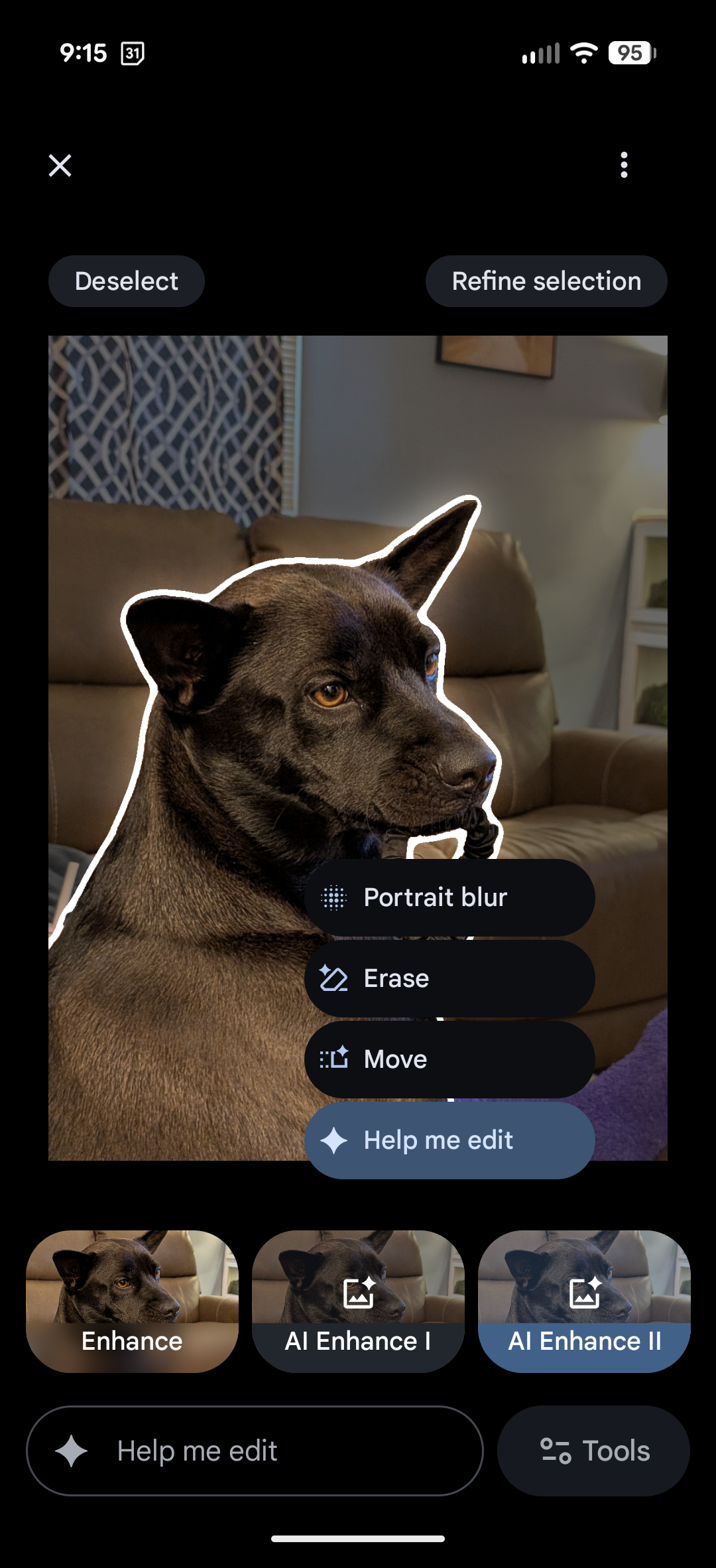
The software is where the Pixel 10 Pro Fold truly justifies its existence for me. This is, without a doubt, the strongest part of the phone. I am a massive fan of how Material 3 Expressive looks right now; Google has really leaned into a design language that feels alive.
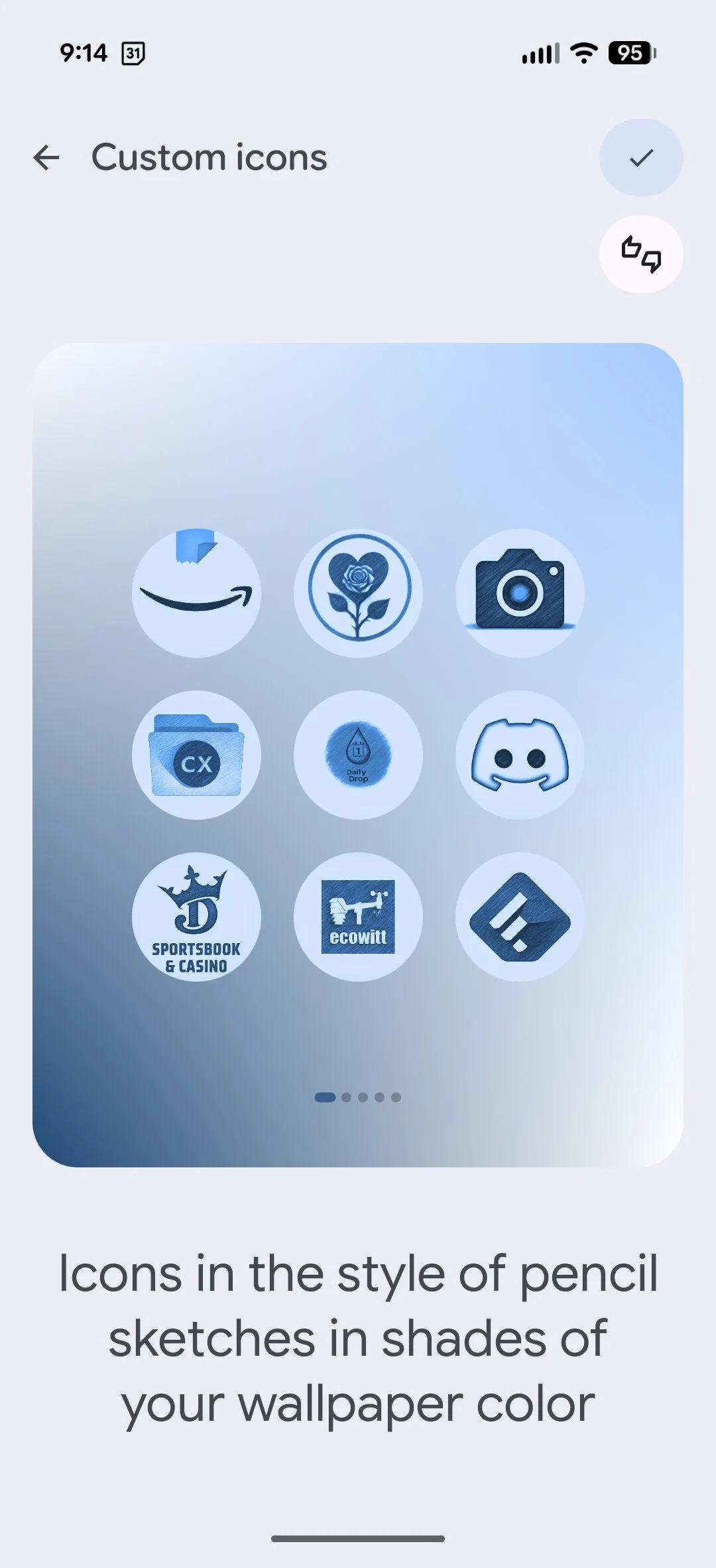
One of my favorite recent additions is the AI styling icons. Whether I’m using those or just the standard themed icons, the fact that every single app icon now takes on the Material You color palette makes the home screen look incredibly cohesive. And like I mentioned in the performance section, those bouncy, elastic animations make the whole UI feel tactile and premium.
But it’s the "smarts" that make a Pixel irreplaceable. Just a few minutes ago, I was sitting at my desk with the phone out of reach, a call came in, and I was able to just say "Decline" without even touching it. When you combine that with Call Screening, you realize how much cognitive load Google takes off your plate. Then there's the voice typing—no other phone on the planet does it better. Every time I switch to another device, I immediately miss being able to just talk to my phone and have it accurately transcribe every word.
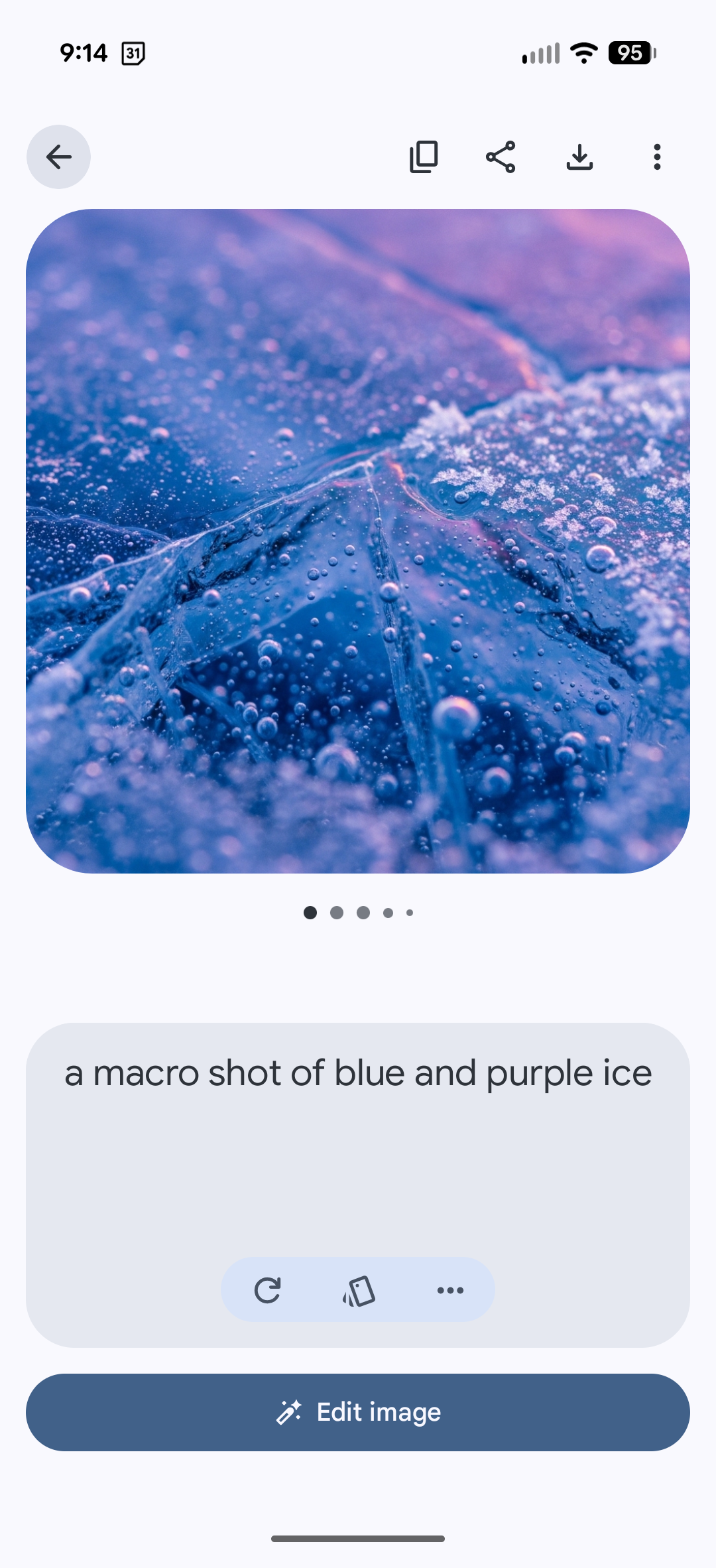
I’ve also been spending a lot of time with the various tools Google has baked in. I always have a blast making custom wallpapers in Pixel Studio, which is a fun, creative way to keep the device feeling fresh, and we can finally cut out stickers directly from our shots in Google Photos. I’ve also been using the desktop mode with a LapDock quite a bit. While it isn't quite at the level of Samsung DeX yet, it’s a massive step in the right direction. Google really needs to add the ability to use the phone as a trackpad while in this mode, but even without that, it’s a very competent setup for getting real work done.
It isn't all perfect, though. I’m still waiting for Google to implement their "bubble everything" method for floating windows. Multitasking on a foldable is vital, and the current system still feels a bit restricted compared to what you’ll find on an Honor or a Samsung. It’s one of the last major hurdles holding the Pixel's multitasking back from being world-class.
The Subtle Evolution
The Pixel 10 Pro Fold isn't the massive leap forward that we saw with the Z Fold 7, but it’s not exactly nothing either. The hinge is undeniably better, and Google has clearly spent time tweaking the camera software to try and squeeze every last drop of performance out of those small sensors, managing to resolve a bit more detail when zooming than the previous generation.
While some of the big software additions, like Pixel Journal and Magic Cue, have been a total miss for me and my workflow, there is still more than enough about the core Pixel experience to keep me coming back. The smarts, the aesthetic, and the sheer convenience of the Google ecosystem still carry a lot of weight. However, looking ahead, it’s a bit of a shame that the early leaks of the 11 Pro Fold make it look like another ".5" update at best. For those of us who live on the cutting edge, it's getting harder to ignore the hardware gap, but for now, the Pixel 10 Pro Fold remains the smartest foldable in my pocket.