Pixel 11 Pro Fold | Google Can’t Miss
The Pixel 10 Pro Fold has been out for about five months now, and while it was a solid refinement, the device largely stayed the same year over year. In a market where other brands are stepping their game up with massive leaps in battery density, camera hardware, and weight reduction, Google cannot afford to play it safe again. It is time to look ahead at what the next generation needs to be to stay relevant.
Here is my wish list for the Pixel 11 Pro Fold.
Closing the Camera Hardware Gap


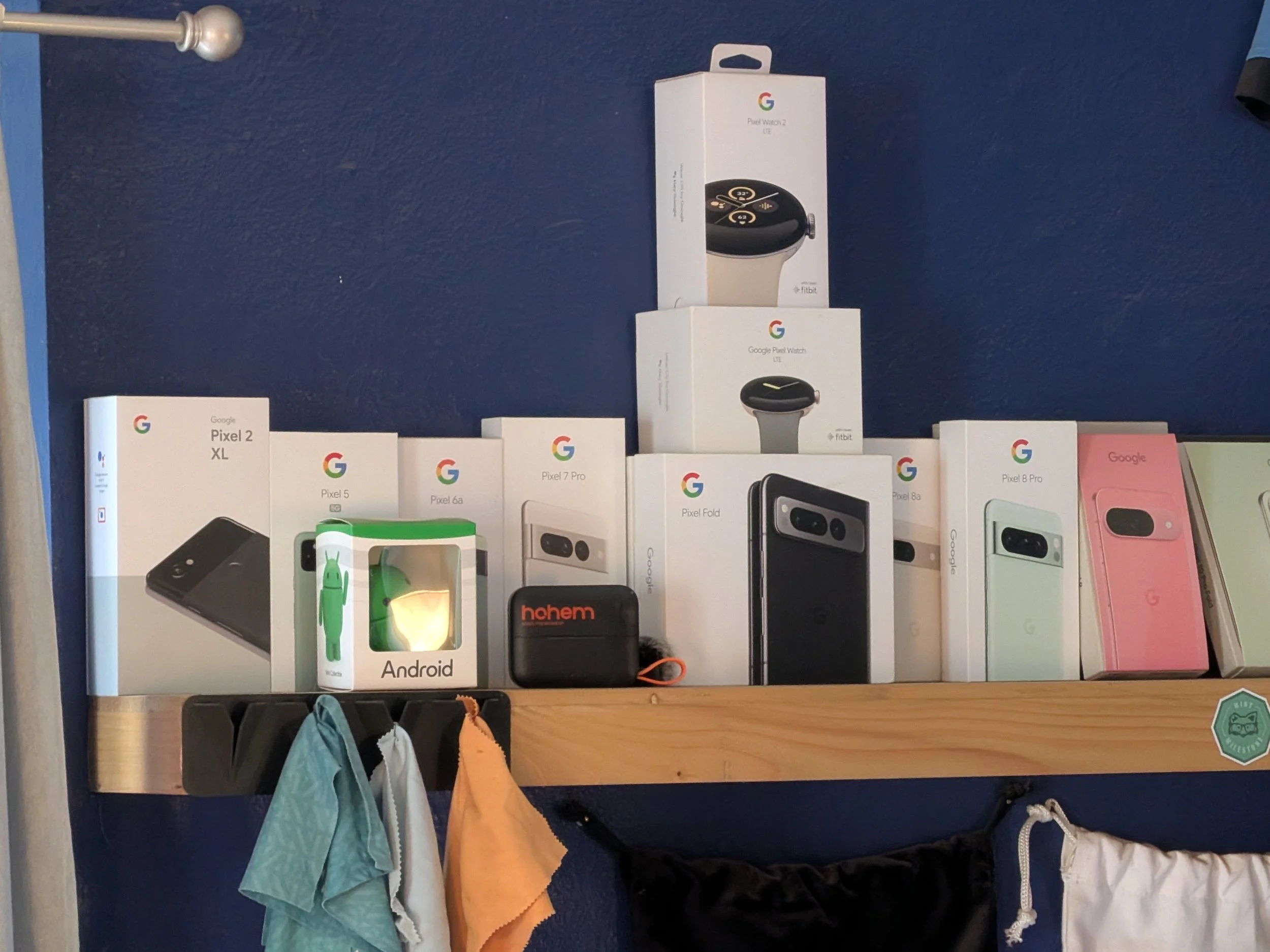
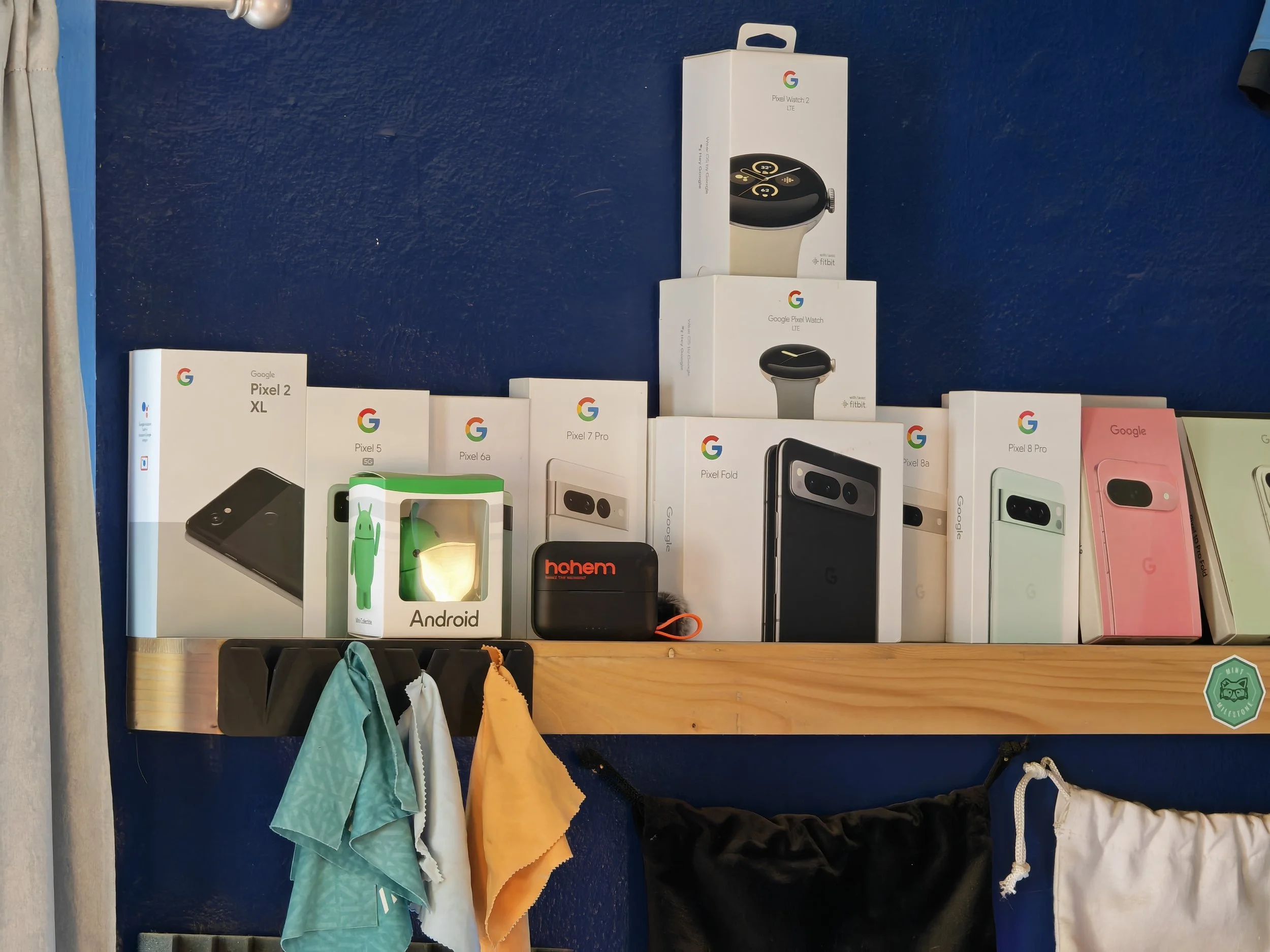
Google’s color processing is arguably the most consistent of any foldable, but the hardware is beginning to lag. While the Pixel 10 Pro Fold relies on a primary sensor around 1/2.0 inches, brands like Honor, Oppo, and Vivo are using much larger sensors that lead to better performance.
Even though I love the Pixel look, if I were headed on a trip to the zoo where I expected to take lots of photos, the Pixel would no longer be the foldable I would grab. The Pixel 11 Pro Fold needs to move to a primary sensor that is at least 1/1.3 inches and finally bring over the same telephoto sensor from the Pro slabs. This would stop the detail lag and give the processing a much better raw file to work with. The telephoto situation is particularly frustrating. While 5x optical zoom is a great focal length, the actual sensor behind the lens is tiny compared to what Google puts in the Pixel 10 Pro slab phones. 1/3.2" is entirely too small for an $1,800 phone in 2026.
Weight Reduction and Battery Density
The weight gap between Google and its primary competition has become impossible to ignore. While the Pixel 10 Pro Fold sits at a hefty 258g, the Samsung Galaxy Z Fold 7 has managed to slim down to just 215g. That is a 43g difference, which is significant for a device you carry all day.
Even the Honor Magic V6, which packs a massive 6,660mAh battery, still comes in at 224g. Google is currently in a tough spot where it is heavier than the Z Fold 7 by a wide margin but offers 1,600mAh less battery than the Honor. The Pixel 11 Pro Fold needs to prioritize high-density battery tech to keep that 5,000mAh+ capacity while dropping the weight toward that 220g mark.
Solving the "Self-Scratching" Screen

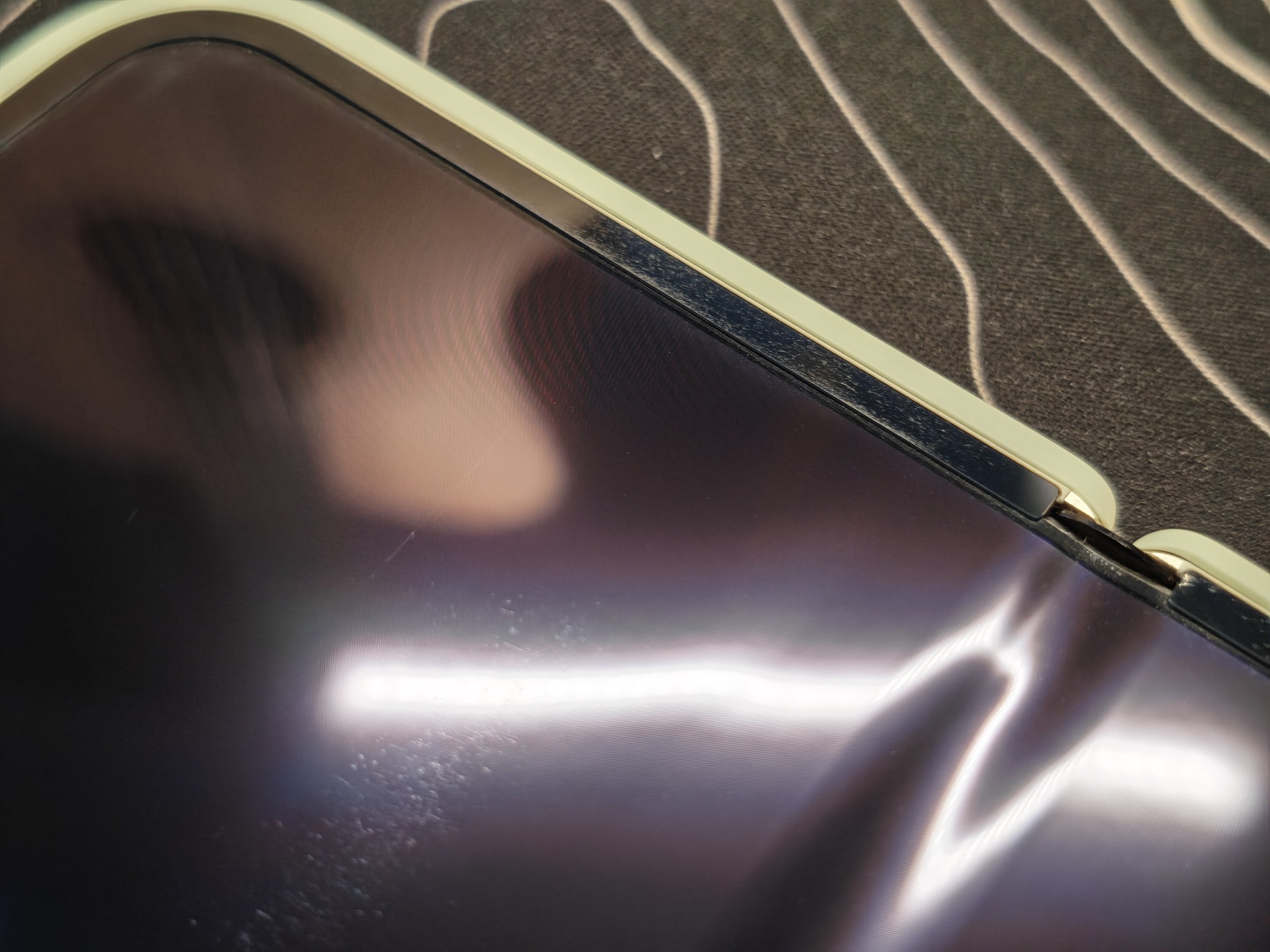
There is a persistent issue we’ve had since the original Pixel Fold where the two halves of the inner screen are just a fraction too close when closed. This causes the screen to touch itself, leading to symmetrical micro-scratches from trapped dust. The good news is that this is the sort of problem you mostly have to look for as these scratches are totally invisible when the screen is on. Still, it’s an odd problem to have three generations in. A fourth would be hard to overlook.
If you look at the inner bezel you’ll see a similar issue. Like the screen itself, the bezel becomes marred with marks quite rapidly. I’m not entirely sure what’s going on here, but I’ve seen it on every Pixel Fold I’ve used. It makes the inner screen look cheaper than it ought.
The Pixel 10 may have introduced an improved hinge, there’s still work to be done to make sure there’s more of a gap between the two halves of screen to prevent this sort of scratching and Google would be wise to finally use a more durable material for that bezel this go around.
A True Desktop and Multitasking Powerhouse
Google recently released their official desktop mode after months of leaks, and while it is a good start, it is miles behind Samsung DeX. Samsung has had these features for a long time, and Google's current implementation feels unpolished by comparison. It lacks basic necessities like the ability to transform the phone into a trackpad and virtual Gboard while connected to a monitor. We also need native widget support in the desktop environment so we can see calendars and tasks at a glance on the big screen.
On the multitasking front, we have finally seen how Google plans to address floating windows with Bubble Everything. This looks like it might finally solve that long-standing shortcoming compared to other foldables that have handled free-form windows for years. This feature has to be ready for the Pixel 11 launch. Being able to turn any app into a floating bubble for quick reference would finally make the Pixel Fold the productivity tool it was meant to be.
Returning to the Passport Design
There is a growing realization in the industry that the original Pixel Fold had the right idea. By being shorter and wider, the passport form factor made for a device that was imminently one-handable. Once opened, you got a much truer “tablet” experience that the square-screened foldables we have today. Interestingly, the market is circling back to this; rumors suggest Apple’s first foldable will use this wider aspect ratio, and even Samsung is reportedly developing a Wide Fold to address the cramped feel of their current designs.
My ultimate wish is for Google to admit they were ahead of the curve in 2023 and revert to that shorter, wider footprint. A passport-style Pixel would have stood out in a sea of tall devices, but it’s not too late to turn back now. As I outlined in an earlier article, returning to the passport design involves a fundamental shift in form factor that addresses the awkward middle ground of current square-screened foldables. While a square display is a decent compromise, it is often mediocre at both scrolling social feeds and watching media, resulting in stretched apps or massive black bars during movies. A shorter, wider footprint communicates a clear purpose for media consumption and provides a much more natural canvas for developers to build dual-panel layouts that actually feel like they belong, rather than feeling cramped or forced.
Google reverting to this wider design would also send a powerful signal to developers, especially as Android 17 moves to strictly enforce app adaptability. Google has said that Android 17 removes the ability for developers to opt out of orientation and resizability restrictions on large screens, effectively forcing apps to work in landscape and split-screen modes. By pairing a passport-style Pixel 11 Pro Fold with these new OS-level requirements, Google would finally bridge the gap between their software vision and the reality of the app ecosystem. It would turn the foldable from an experimental compromise into a refined, "media-first" flagship that finally feels like an upgrade rather than a trade-off.
The foundation Google has built is strong. Between their industry-leading AI and the most pleasing version of Android, the Pixel 11 Pro Fold has every reason to be the best device on the market. However, by playing it safe with iterative hardware, Google has allowed themselves to fall too far behind. When the competition is offering lighter builds, massive batteries, and more advanced productivity features, "good enough" hardware no longer cuts it. The Pixel 11 needs to be a statement that Google can lead on specs, not just software.