Did Samsung Just Make the Ultimate Upgrade for Pixel Fold Users?
A couple of months back during the leadup to the launch of the Galaxy Z Fold 8, I made a video posing one simple question. Can the Z Fold 8 finally replace the original Pixel Fold, the device that so many people are still using purely because of that passport form factor? Today, we are going to answer that question.
Hardware and Hand Feel
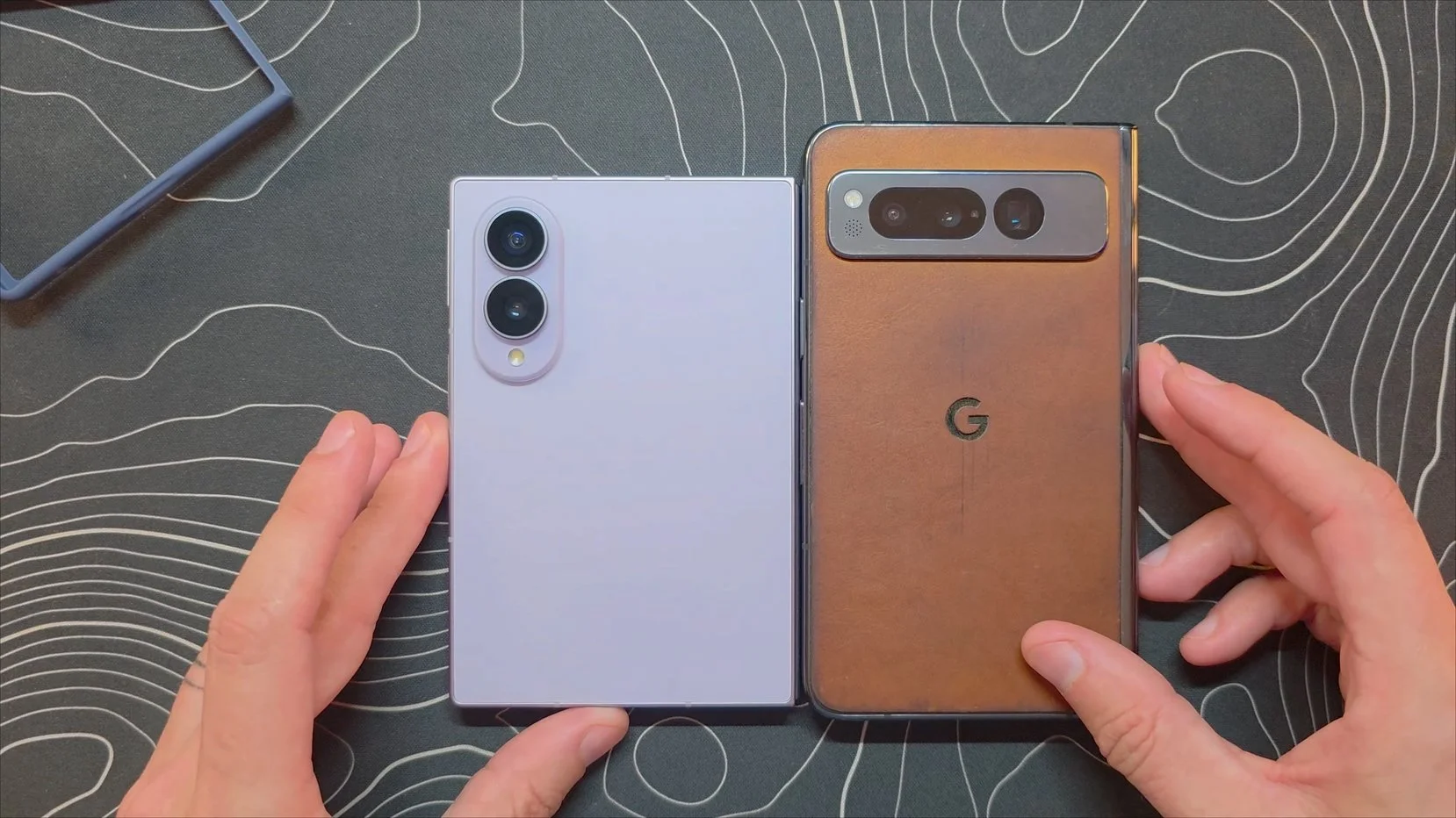
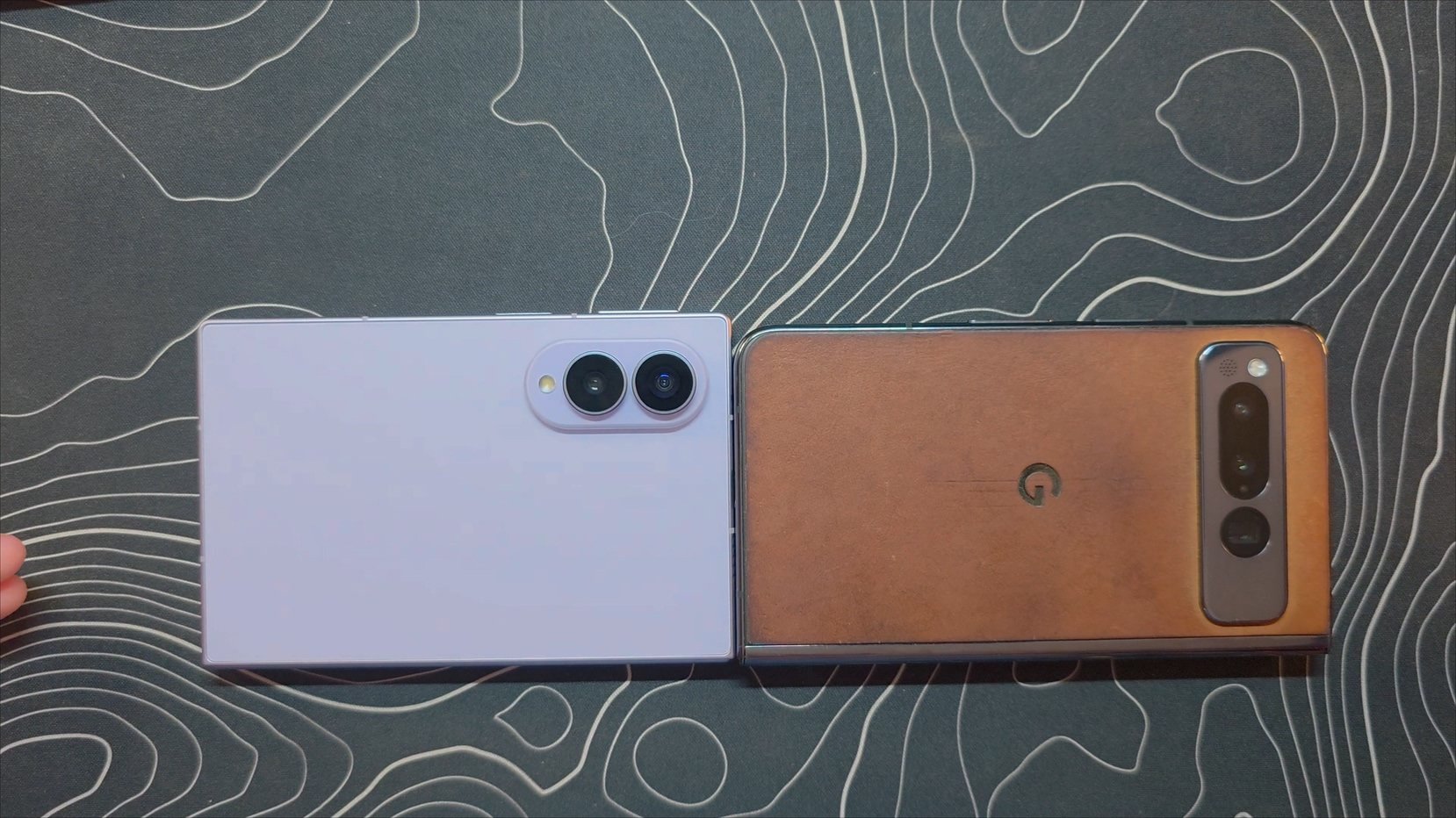
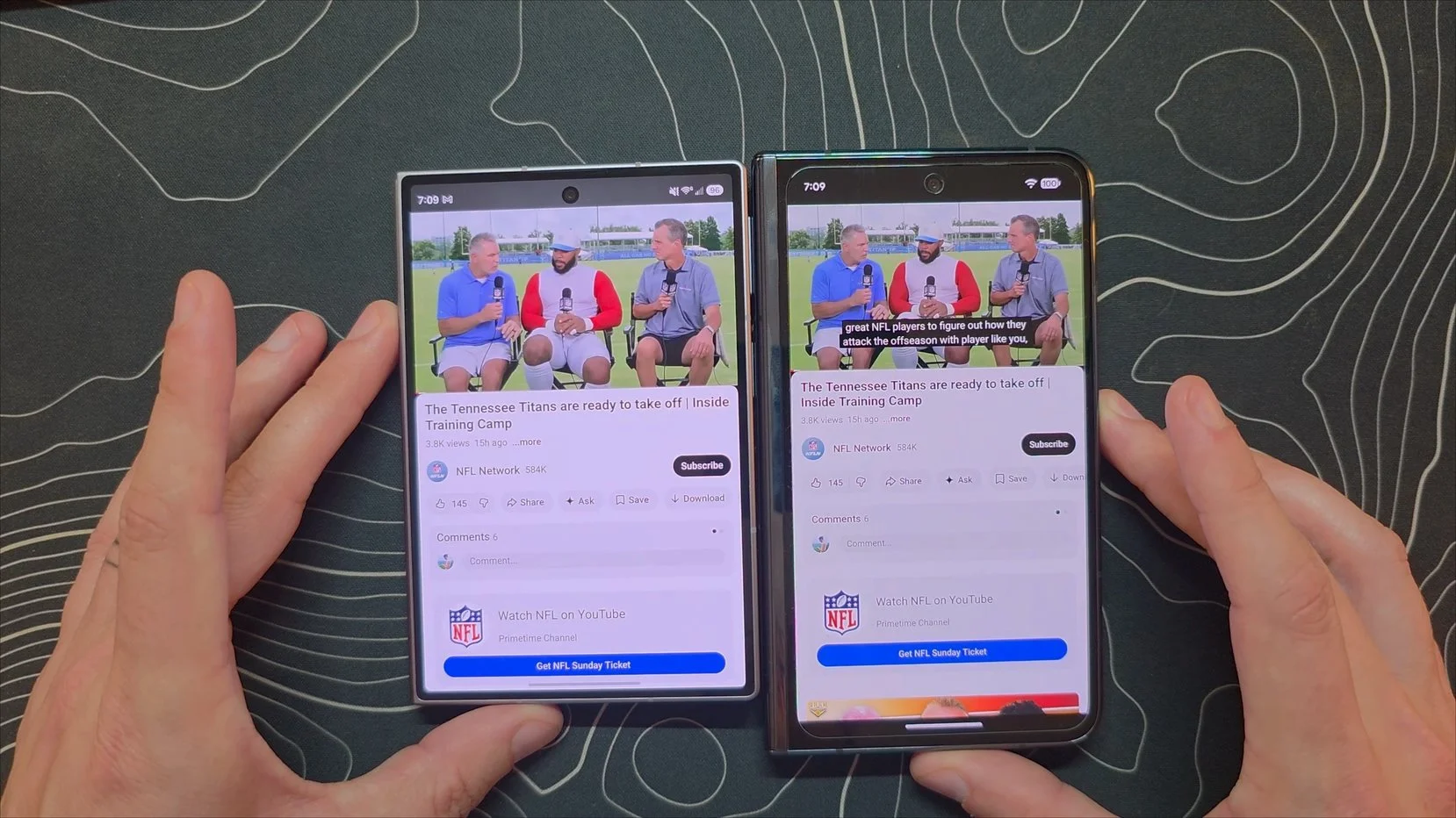
Samsung really took the form factor that Google introduced with the original Pixel Fold and pushed it a step further. The Z Fold 8 is even shorter and wider than the Pixel Fold, and unlike the Pixel, which had a lot of unused bezel space near the hinge, Samsung managed to push the screen almost entirely edge to edge.
Ergonomically, this creates an interesting trade-off. I do not have particularly large hands, but reaching across the front display on both phones is fairly manageable. What makes the Z Fold 8 feel so much better in daily use comes down to two things: vertical reachability and weight. The Pixel Fold feels like an absolute brick in comparison, whereas the Z Fold 8 is noticeably lighter and much easier to flick around one-handed when you need to reach top-level UI elements.
Media Consumption, Hinges, and the Inner Screen
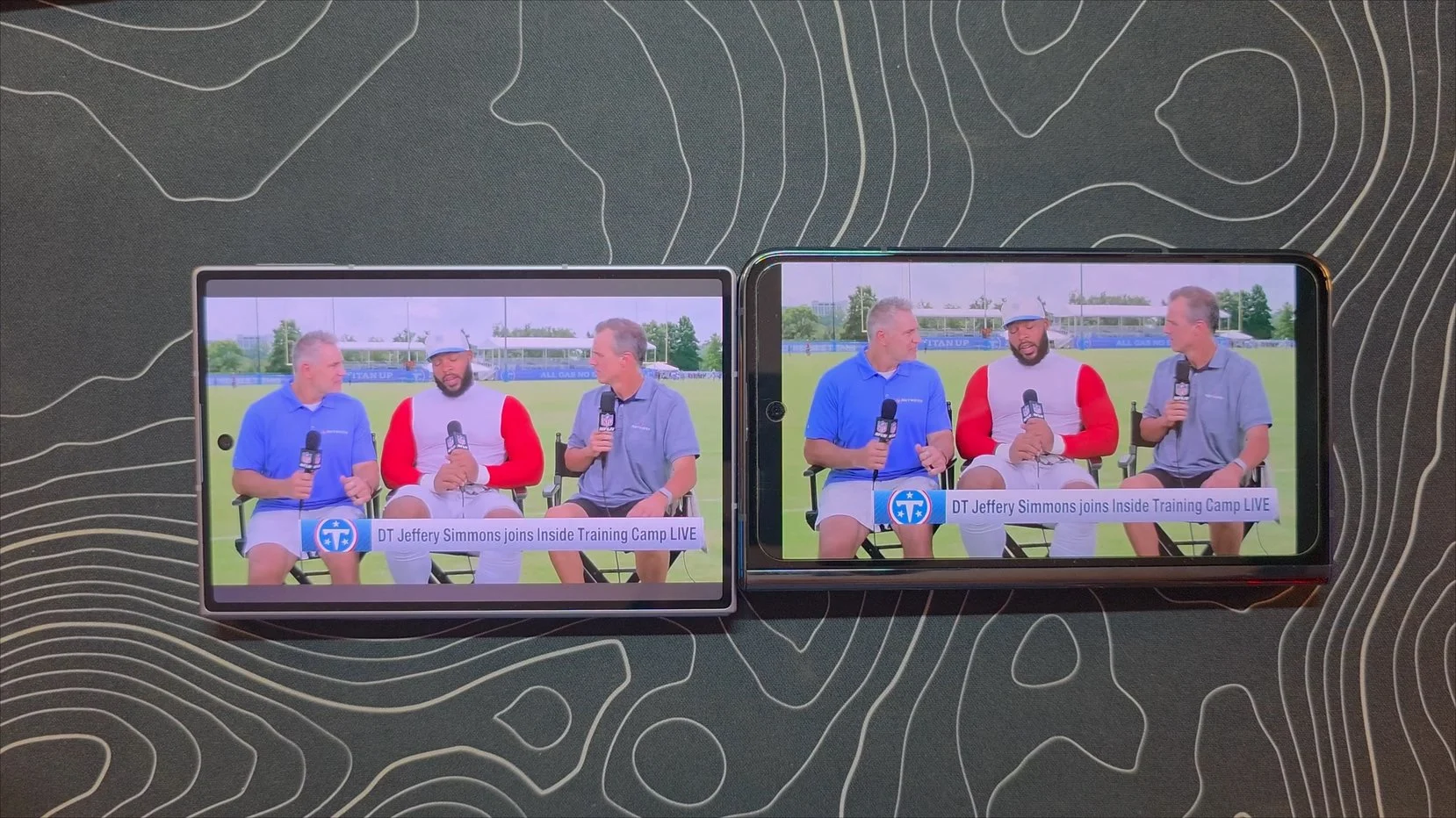
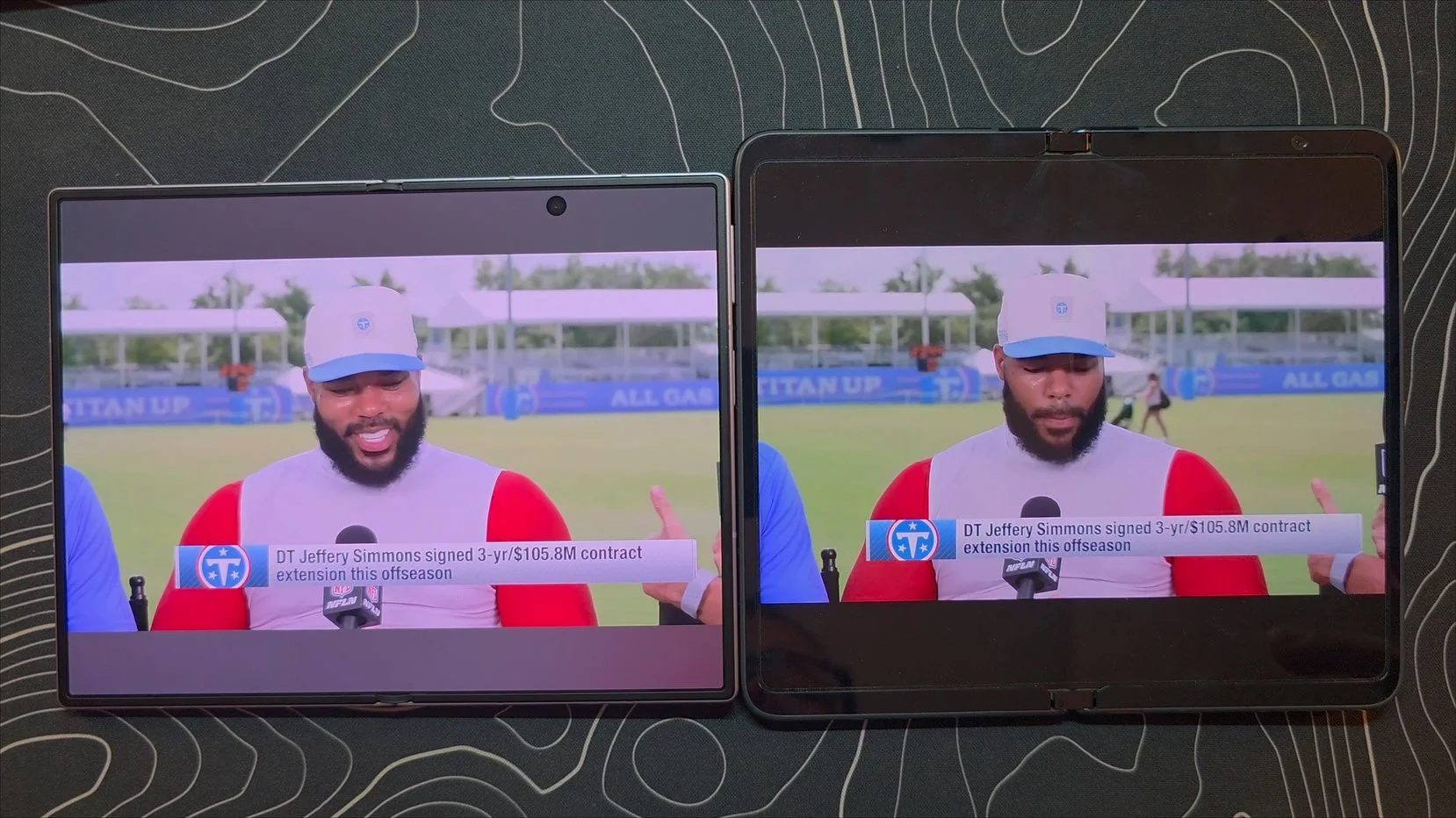
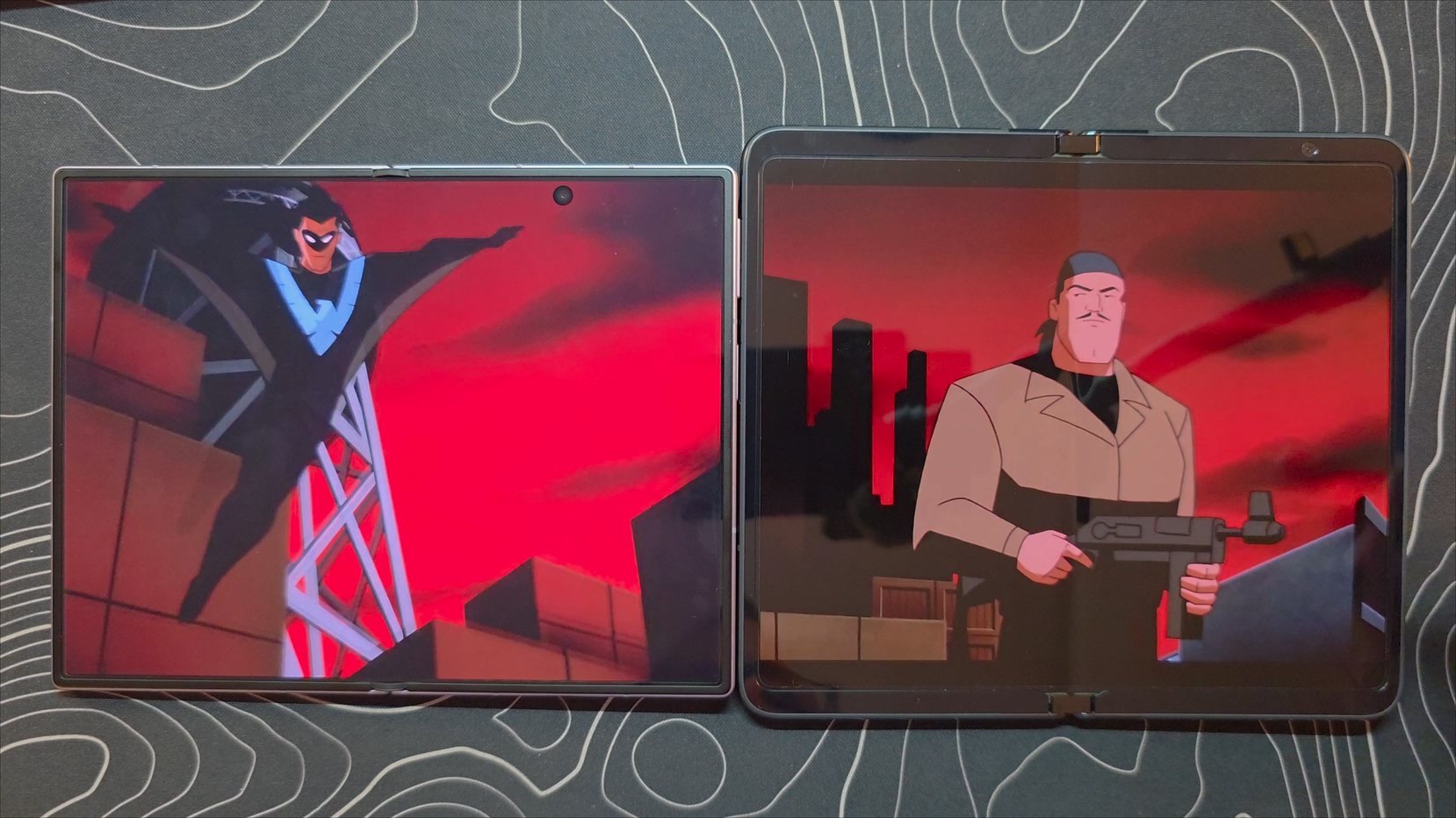
When you flip both phones open or keep them on the cover display for video, they offer slightly different viewing experiences. On the cover screen, the Pixel Fold gives you small pillar boxing on the left and right, while the Z Fold 8 gives you light letter boxing on the top and bottom. There is a notable difference in the hinge mechanics, though. The Pixel Fold features a much stiffer hinge, making it easy to set down in a laptop-style layout for watching YouTube. The Z Fold 8 hinge wants to flop open a bit more easily, meaning it does not really offer that specific flex mode position, though you can always close the device and use tent mode instead.
When opened up to the main display, the Z Fold 8 screen is slightly shorter and wider than the Pixel Fold. You also get a massive improvement with the inner display anti-reflective coating on the Samsung. While both inner screens will show a crease under direct light, the coating on the Fold 8 diffuses reflections so effectively that the crease is drastically harder to notice in actual use.
Aspect Ratios and Multitasking
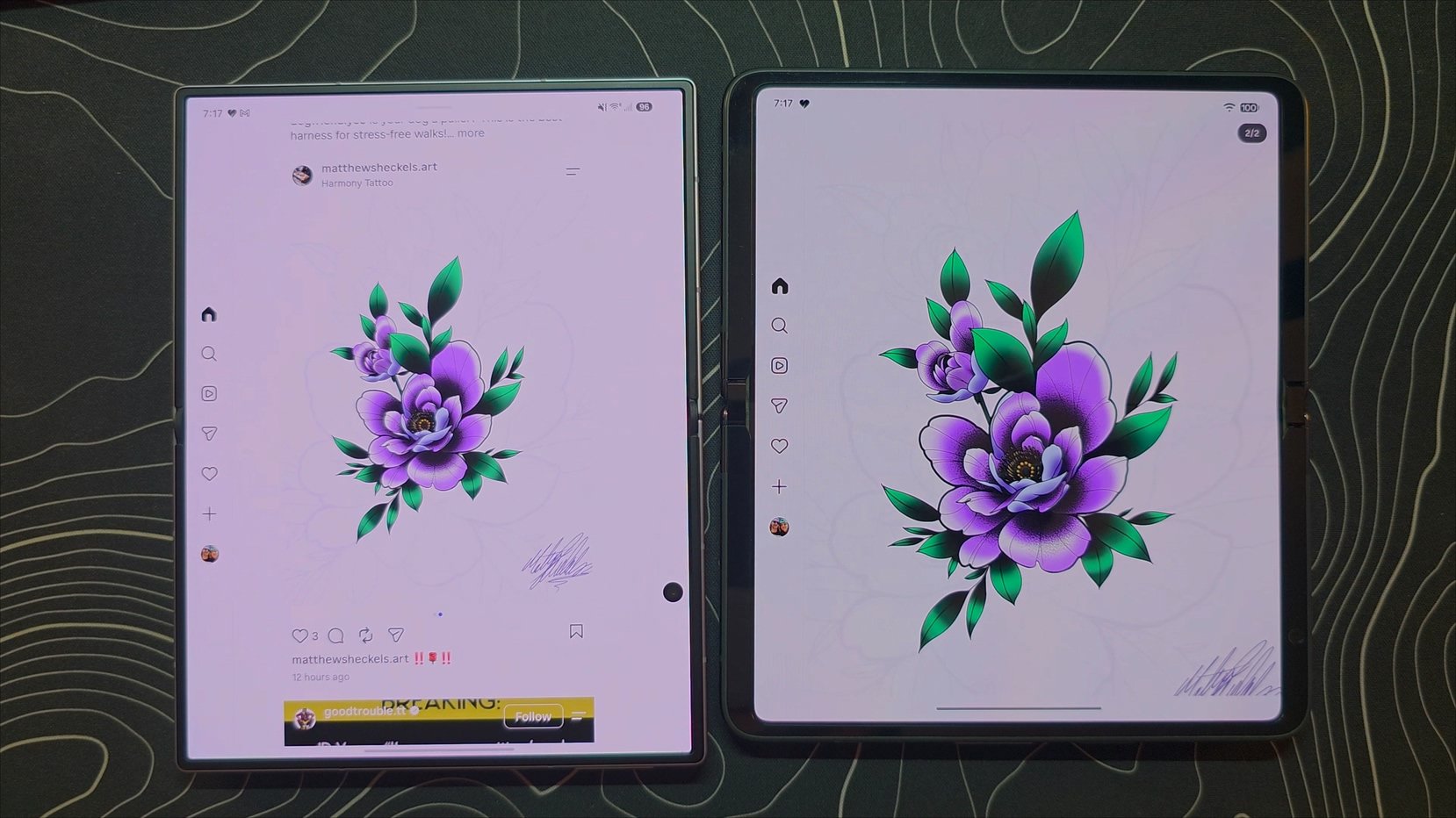
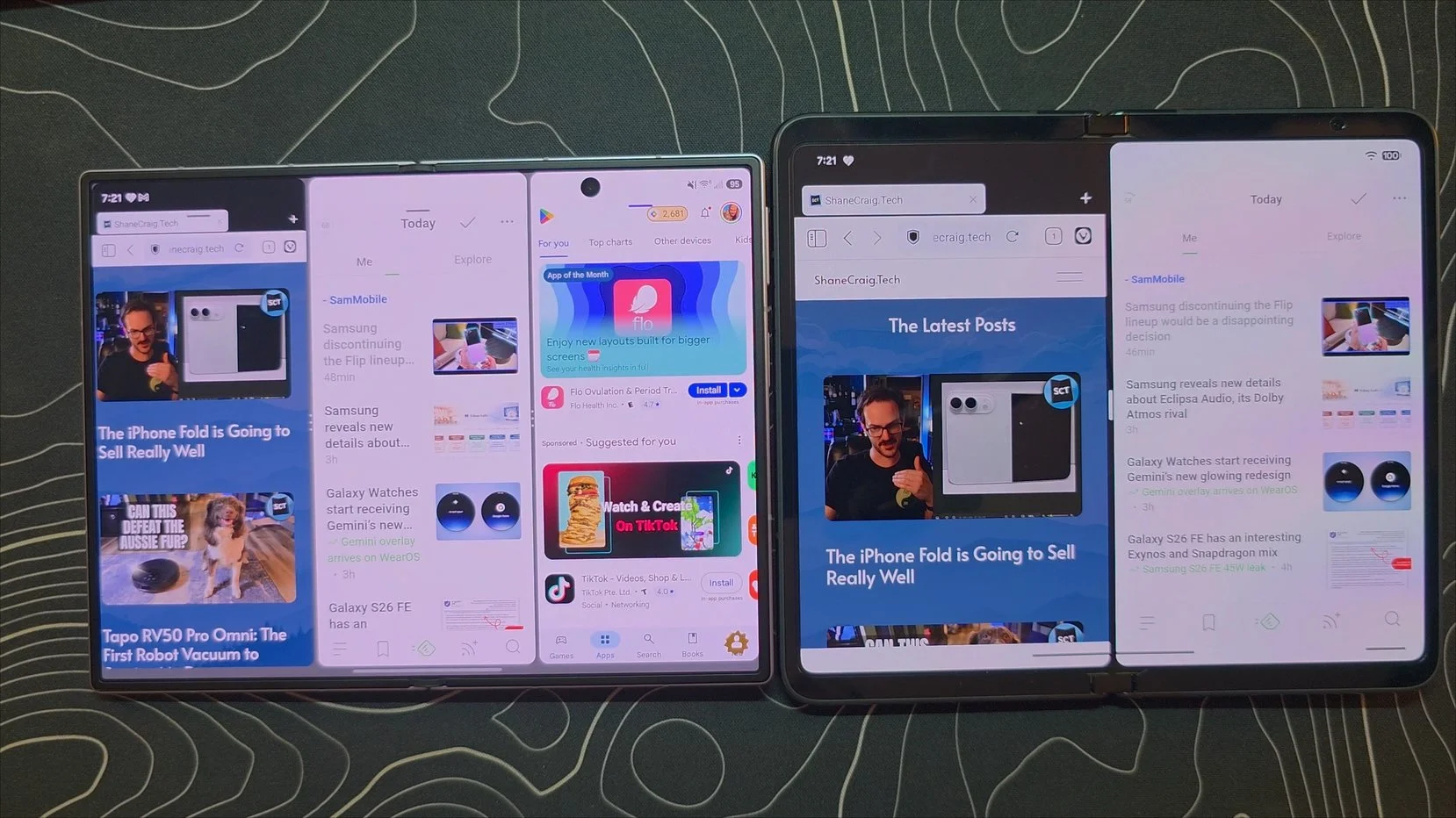
Because these devices are so wide, running full-screen apps like Instagram vertically can occasionally feel a bit crammed. Rotating either phone fixes the issue, but the Z Fold 8 scaling logic generally handles media layout slightly better when turned sideways. Where Samsung completely pulls away is multitasking. On the Pixel Fold, you can run two side-by-side apps easily enough, but adding a third app restricts you to using Google’s floating bubble bar, which acts more like a single overlay than true three-app multitasking. The Z Fold 8 allows you to stack three apps in side-by-side or split layouts, offers a fluid 90/10 split option, lets you freely float and resize windows anywhere on screen, and includes full desktop support via Samsung DeX.
Performance and Speed
Opening applications side-by-side reveals a subtle but consistent difference. While modern smartphones are all exceptionally quick, the Z Fold 8 consistently beats out the Tensor G2 inside the original Pixel Fold by fractions of a second across the Play Store, web browsers, and media apps. If you plan on doing high-end mobile gaming, the newer processor inside the Z Fold 8 gives it a massive lead.
Camera Comparison: Primary, Ultrawide, and Zoom
On paper, it looks like the Pixel Fold should win the camera comparison because it packs three rear lenses, including a dedicated 5x telephoto, compared to the Z Fold 8 dual-camera primary and ultrawide setup. However, real-world results tell a slightly different story.
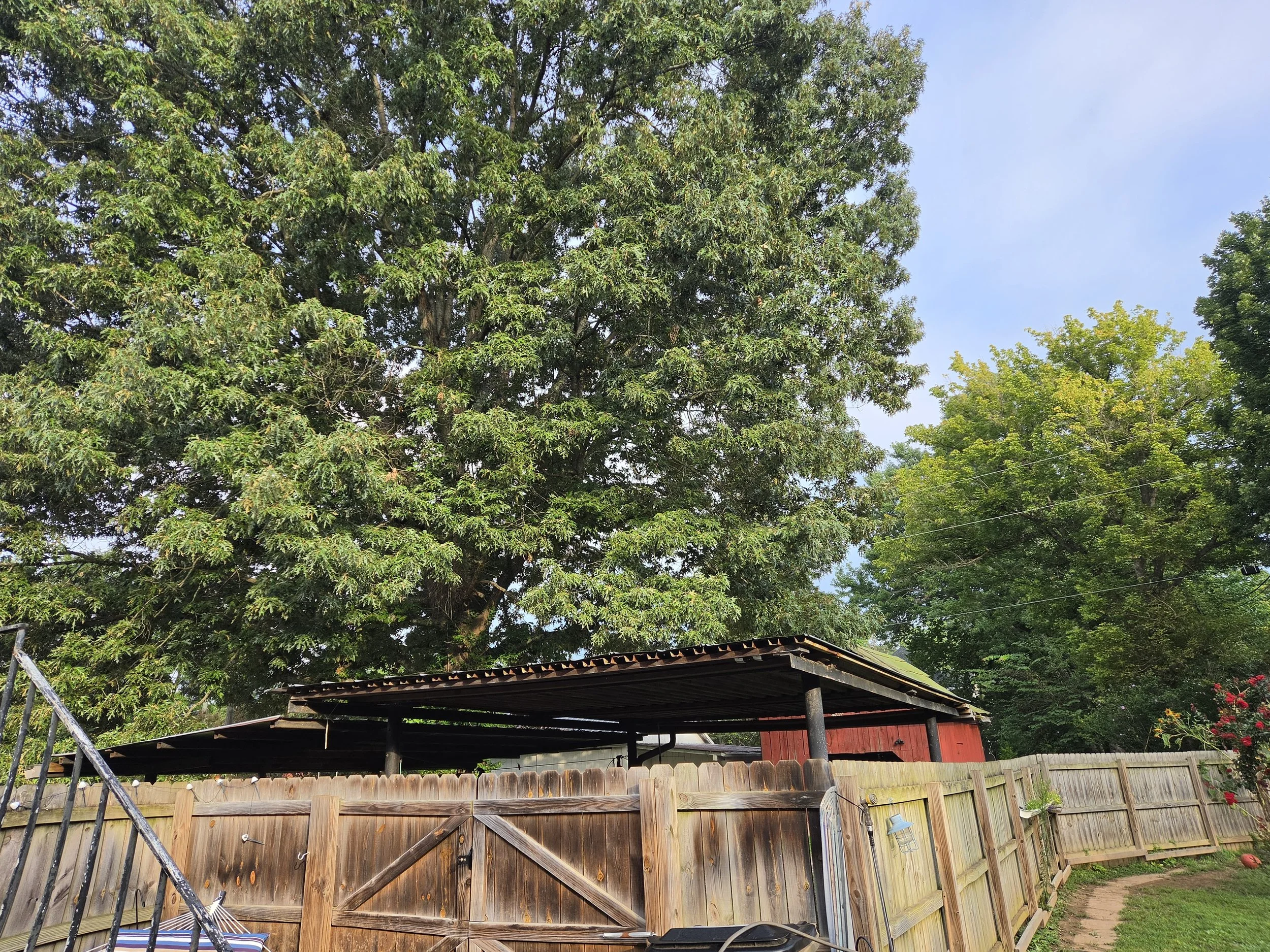
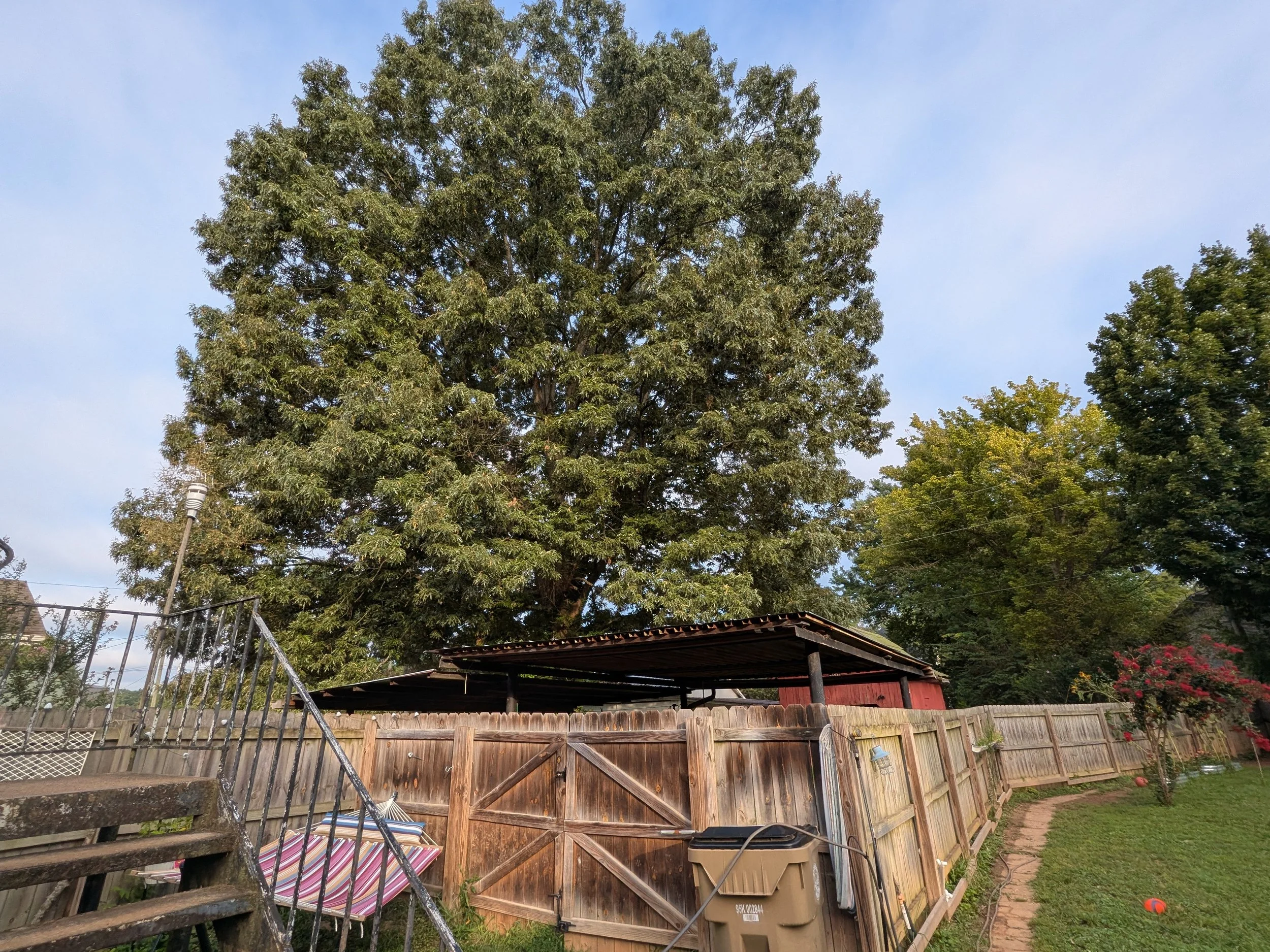
On the primary sensor, the Z Fold 8 consistently captures brighter, more detailed images with cooler, vibrant color tuning. The Pixel Fold tends to lean heavily into warmer, more yellow color casts that can look a bit flat by comparison.
When it comes to the ultrawide, the Pixel Fold offers a wider field of view, but the Z Fold 8 uses a superior sensor that delivers vastly cleaner details without the heavy grain found on the Pixel.
Looking at zoom performance from 2x to 5x, Google chose a 5x optical lens rather than a 2x or 3x, so any mid-range zoom on the Pixel Fold relies on digital cropping from a primary sensor that is simply less detailed than Samsung’s. The Z Fold 8 resolves noticeably cleaner text and texture at 2x and 3x. Once you hit 5x, Samsung uses heavy software sharpening to match the output of the Pixel's small 5x optical sensor, resulting in surprisingly similar levels of resolved detail between the two.
For video performance, Samsung remains near the top of the mountain for Android video capture. The Z Fold 8 provides vastly superior stabilization, color processing, and clarity over the older Tensor G2 video processing on the Pixel Fold.
Battery Life and the Final Verdict
While it is still early days with the Z Fold 8, battery performance is trending toward 5 to 6 hours of screen-on time, easily outlasting the typical 4 to 5 hours on the original Pixel Fold, alongside offering faster overall charging speeds.
So, is the Galaxy Z Fold 8 the new king of the passport form factor? Strictly looking at the hardware, software versatility, screen tech, performance, and camera pipeline, the Z Fold 8 is objectively the better phone all around. However, there is a massive real-world caveat: price. The Z Fold 8 comes in at full flagship retail pricing at $1899, while the original Pixel Fold can routinely be picked up refurbished or on sale for under $459. If you love the wide passport shape and want to save yourself over $1400, going with the original Pixel Fold is still a completely respectable play. But if you want the absolute ultimate expression of this form factor, Samsung has officially taken the crown for me.