Galaxy Z Fold 8 Official Images Leak

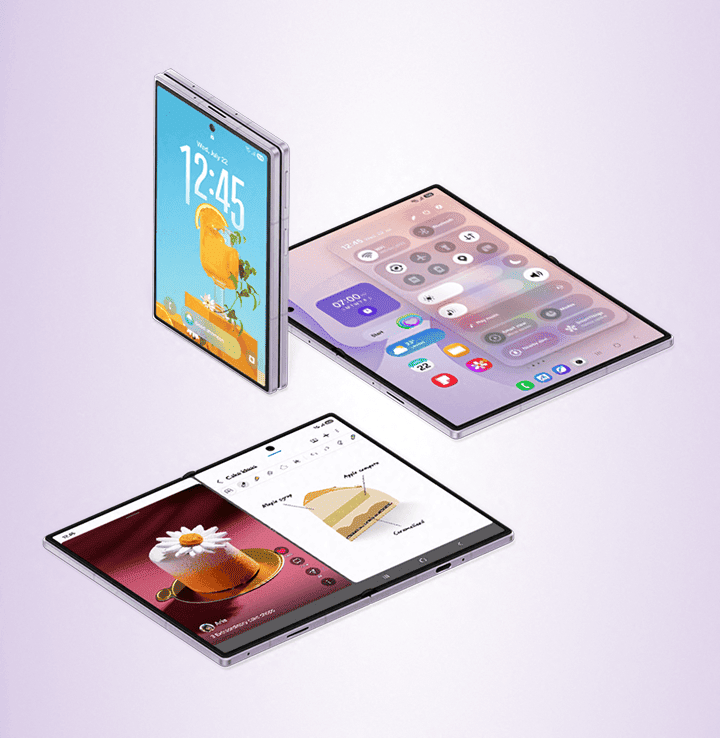
Just when you think there is absolutely nothing left to discover about Samsung's upcoming foldable lineup, the internet proves us wrong. Renowned tech tipster Evan Blass just dropped a massive collection of official marketing images for both the Galaxy Z Fold 8 and the Z Fold 8 Ultra.
The leak comes straight from his leak mail service, which delivers tech leaks directly to your inbox for free. These promo materials give us our absolute clearest look yet at how Samsung plans to market these devices, and how they actually look in the real world.
The Galaxy Z Fold 8 Ultra
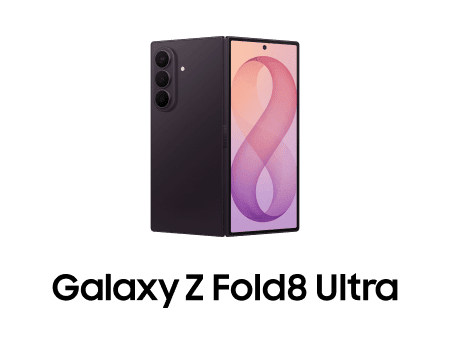
The marketing materials officially confirm the "Galaxy Z Fold 8 Ultra" naming scheme. The first image showcases a striking plum color, a deep, unique shade that looks incredible on screen.
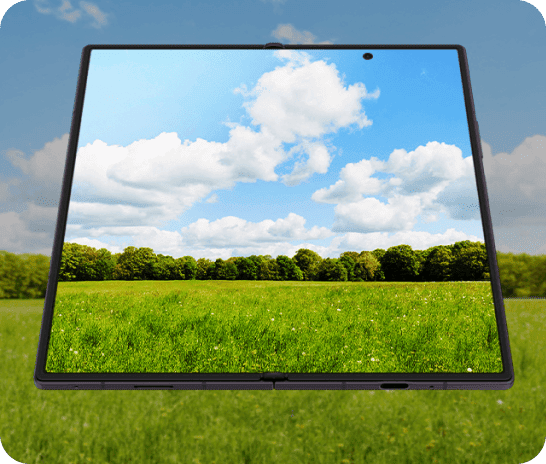
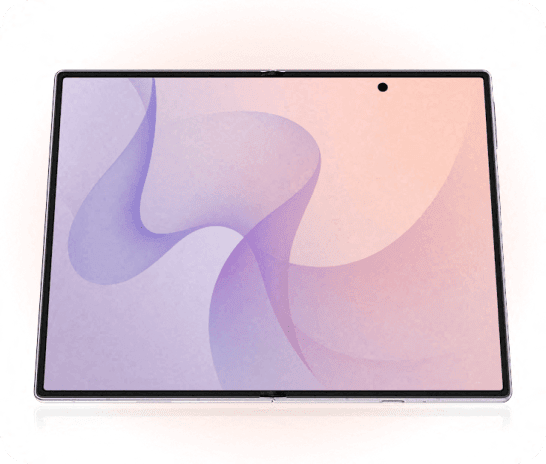
When unfolded, the massive inner screen takes center stage. Samsung seems to be emphasizing how creaseless the main display is this year. As usual, the hole-punch selfie camera sits on the top right. While it is right where it has always been, many users would still prefer it pushed even further into the corner.
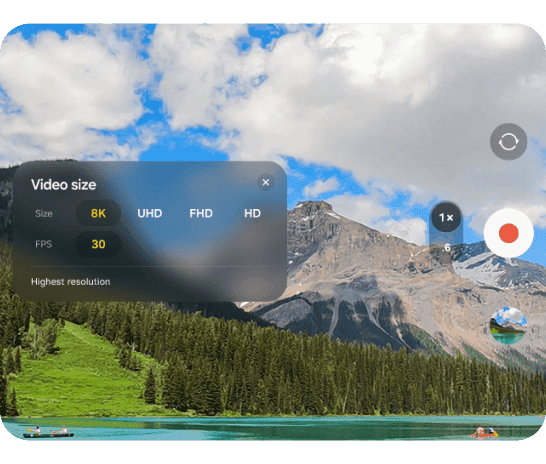
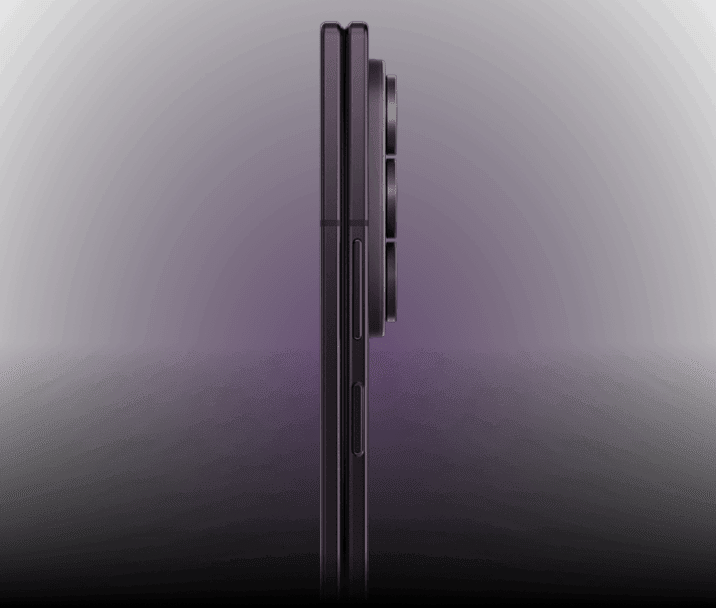
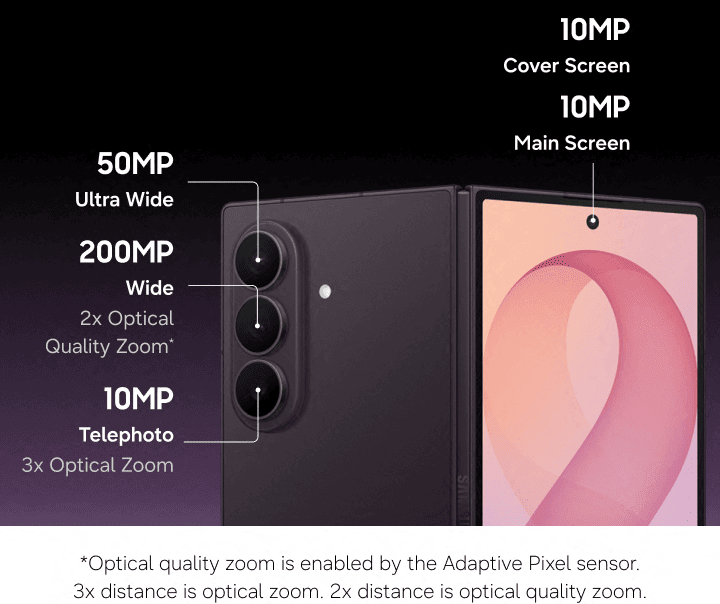
The camera interface reveals an 8K video recording option at 30fps, though it is limited to the main 1x lens and a 0.6x ultrawide view. Trying to push that resolution on a cropped zoom shot simply wouldn't work with the sensor layout. Around back, the phone features a prominent camera bump. When a device is only about 4.2 millimeters thick, physics dictates that the camera hardware has to protrude somewhere. The side profile really highlights just how remarkably thin this phone is, especially when compared to the physical fingerprint sensor and power button.
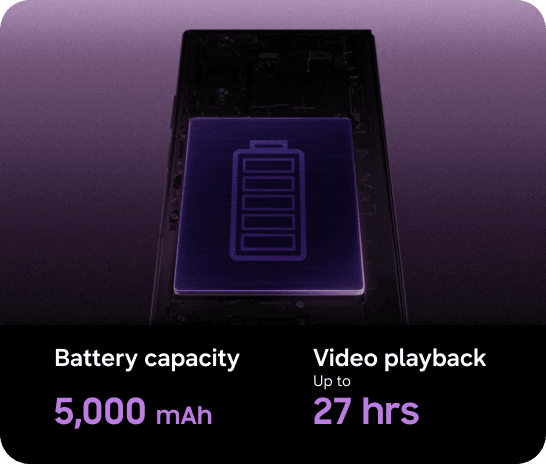
Samsung is packing a 5,000 mAh battery into the Ultra. While it does not hit the 6,000 mAh mark seen on competitors like the Moto Razer Fold, it is a massive step up from the older 4,400 mAh cells. Combined with Samsung’s historically excellent power optimization, this should deliver pretty decent battery life.
Other leaked details for the Ultra include:
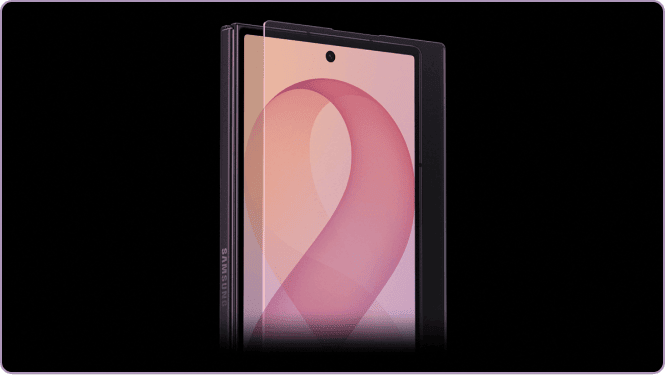
A potential anti-glare, anti-reflective coating on the displays, though the leaked graphic might simply be showcasing a standard screen protector.
A slightly downsized selfie camera cutout.
A powerful camera array consisting of a 200 MP primary sensor, a new 50 MP ultrawide sensor, a 10 MP 3x telephoto, and a 10 MP selfie camera.
The Standard Galaxy Z Fold 8
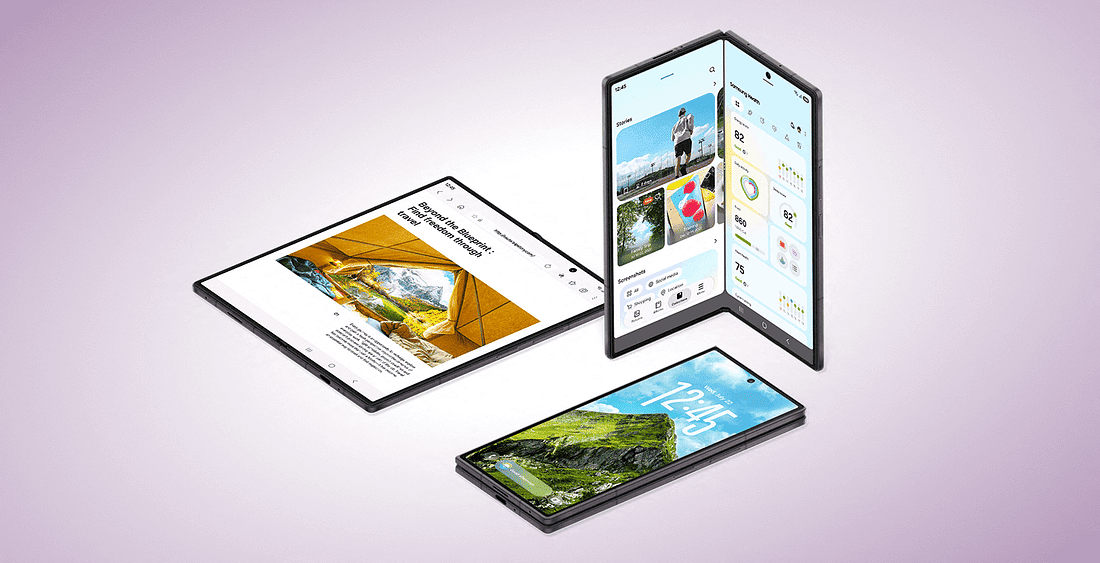
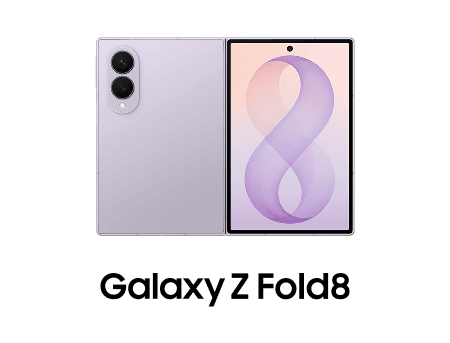
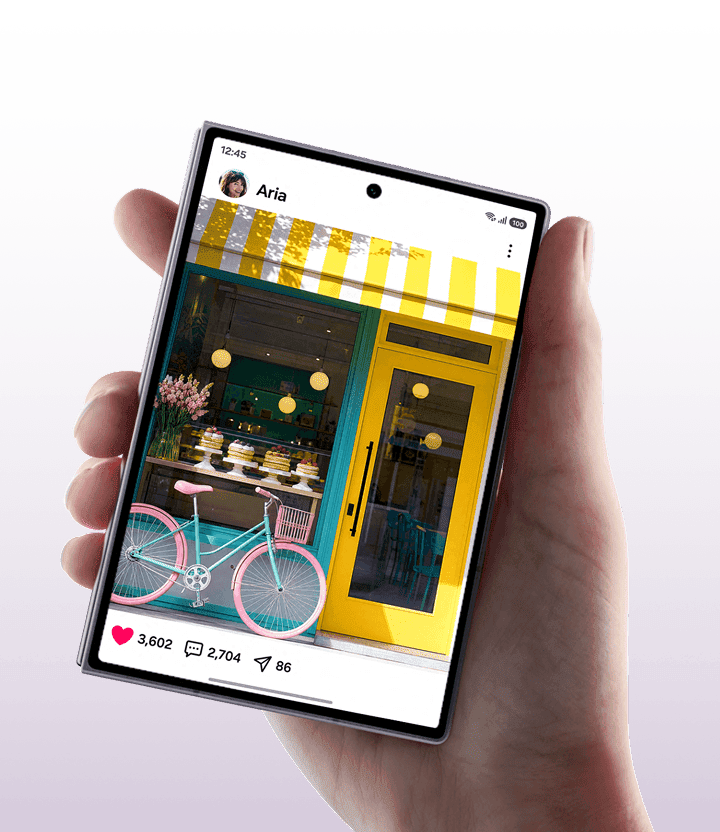
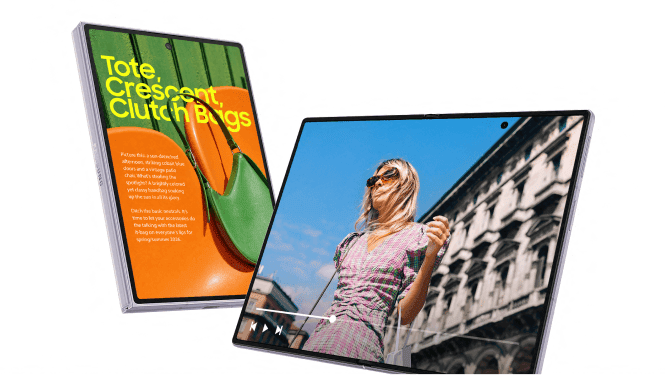
The base model Galaxy Z Fold 8 is shifting to a much wider, almost 4x3 aspect ratio on the inner screen. The cover display is roughly a 16x10 ratio, making it significantly shorter and wider than previous generations. This specific form factor is incredibly comfortable for daily use, making apps like Instagram look fantastic without feeling cramped.
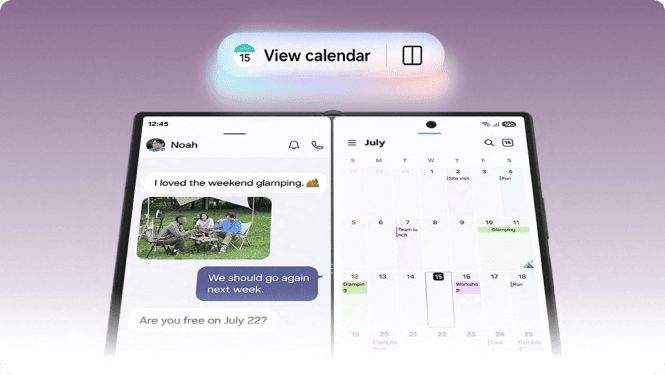
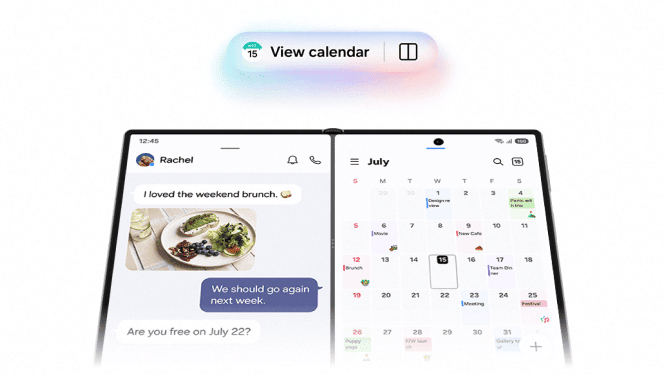
One of the most interesting marketing slides shows a text message conversation asking, "Are you free July the 22nd?" Right next to it, a contextual AI prompt pops up offering to open the calendar in a split-screen view. This feels very similar to Google's contextual features, and it looks incredibly practical for multitasking.
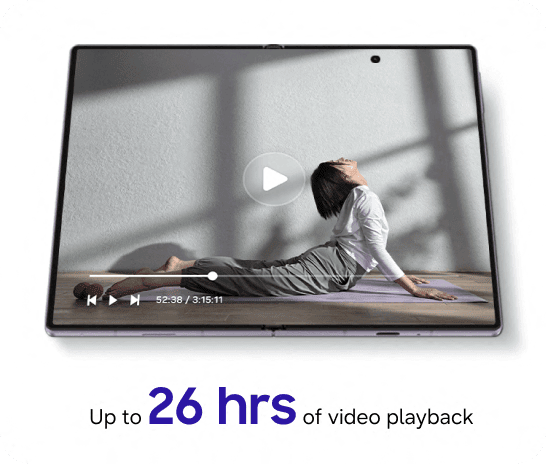
The marketing materials place a heavy emphasis on media consumption, boasting up to 26 hours of video playback. Because of the 16x10 cover screen, rotating the phone sideways plays standard 16x9 video content perfectly.
Samsung is explicitly showing the device rotated in these graphics. They know a 4x3 screen can occasionally cause formatting issues with certain Android apps. Flipping the device sideways changes the orientation to 3x4, a layout that virtually every app in the Google Play Store can render flawlessly.
Hardware details for the standard Fold 8 include:
The flagship Snapdragon 8 Elite for Galaxy processor powering the experience.
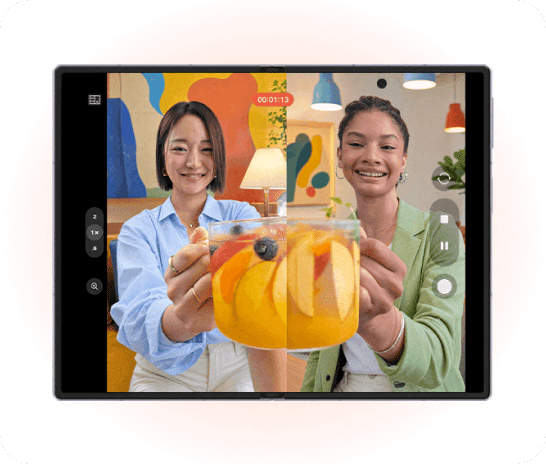
A dual-camera recording mode in the camera app, which appears to capture footage from the selfie camera and the primary rear camera simultaneously.
Dual speakers that are unfortunately both positioned on the left side of the chassis.
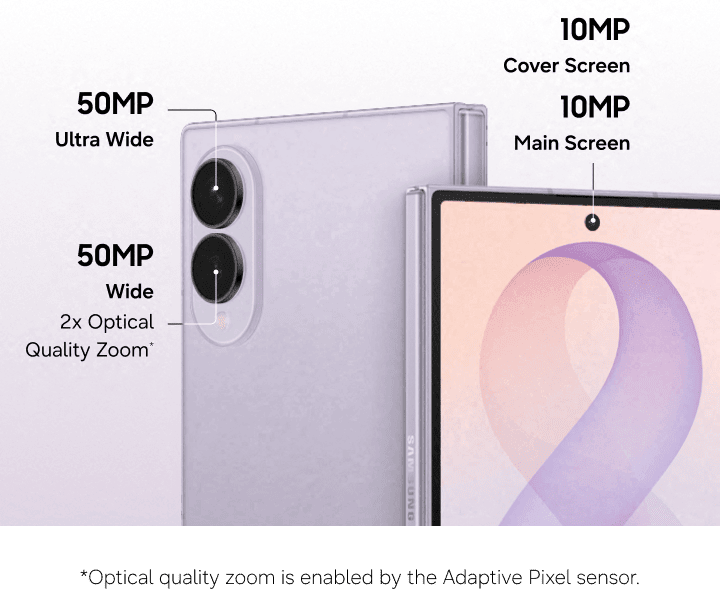
A camera setup utilizing dual 50 MP sensors.
While losing a dedicated telephoto lens is a bummer, the high-resolution 50 MP main sensor uses an adaptive pixel system to crop in for high-quality 2x and 3x zoom shots. Considering the older 10 MP 3x sensors struggled at longer focal lengths anyway, the change should not negatively impact real-world photo quality too much.