Galaxy Z Folds Have Gotten So Much Better
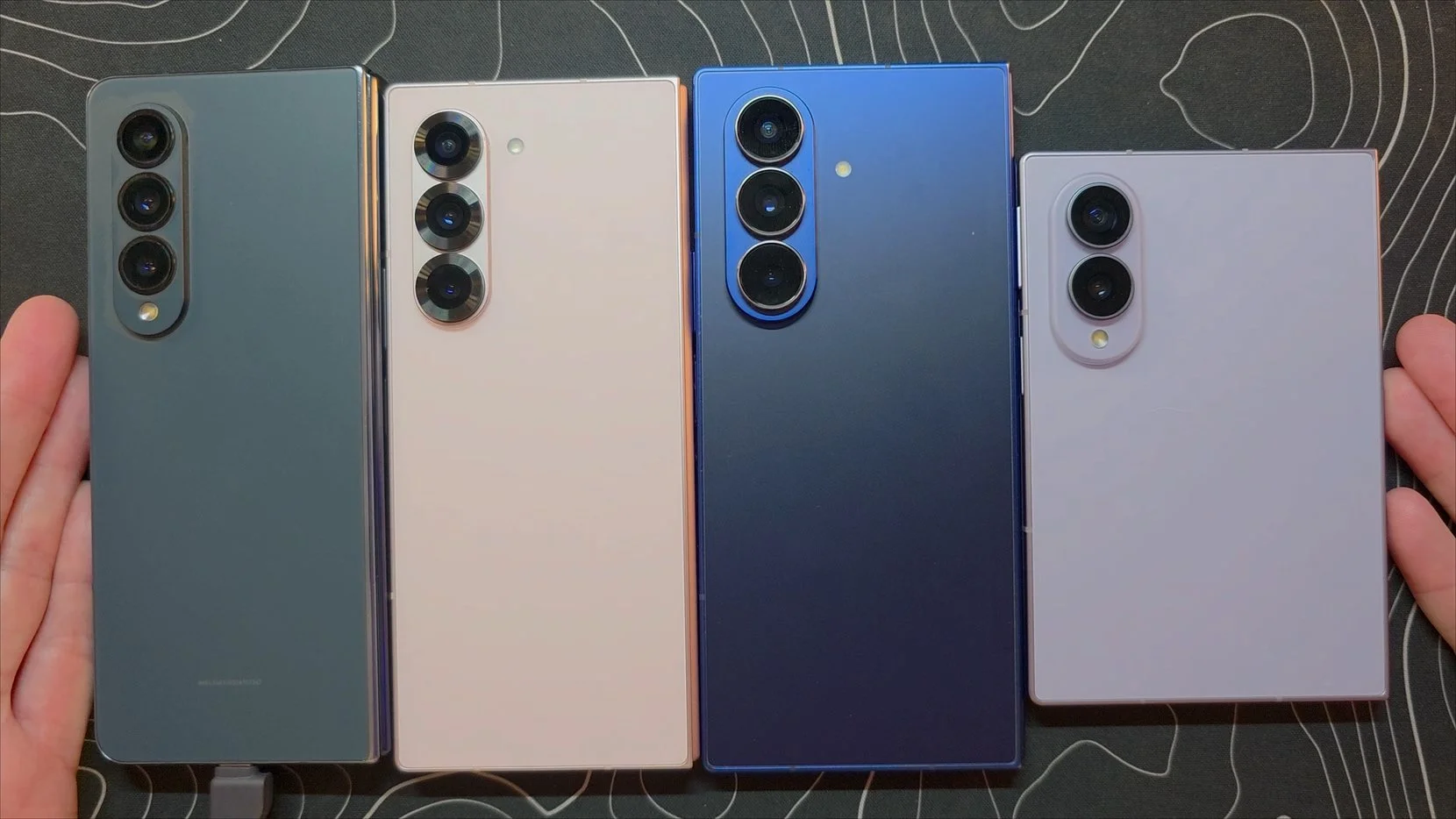
I was looking at my phone collection the other day, lining up four generations of Galaxy Z Fold devices: the Z Fold 4, 6, 7 and 8. I skipped the 5, and while I traded in my old Fold 2 years ago out of budget necessity, having these four side by side really drove home just how radically Samsung's foldable philosophy has shifted.
When you track the line from the Fold 4 all the way to the Fold 8, the evolution is wild.
The Z Fold 4 Era: Thick, Narrow and Mushy
Starting with the Z Fold 4, I genuinely loved this device when it came out. Looking at it now, that skinny, ultra-tall cover display feels completely absurd next to modern foldables.
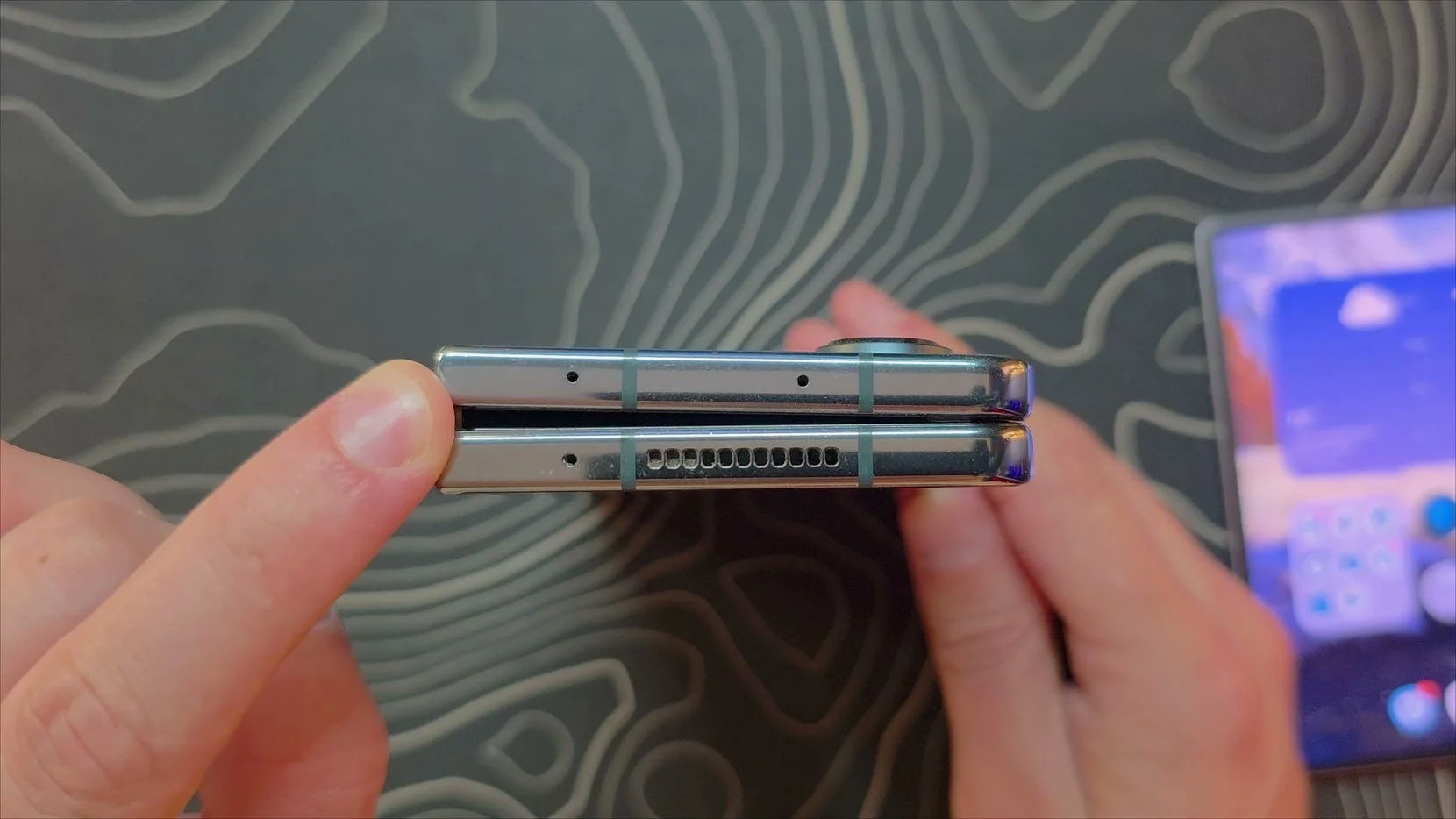
The physical mechanics tell an even bigger story. The Fold 4 hinge feels mushy, with uneven tension that builds up, eases off and slowly gives out as it opens. Then there is the gap. Because Samsung had not figured out how to fold ultra-thin glass tightly without excessive stress, the Fold 4 could not close flat. It had a visible wedge shape, leaving a gap near the hinge.
My Fold 4 actually developed a crack right along the crease years ago, a testament to how that early hinge design put stress on the display. My wife daily drove it with that crack for a long time to test its durability, and while it never spread, modern foldables have moved far beyond those early structural worries. The crease was deep, the phone was thick, and the ergonomics were compromised.
Refining the Formula: Z Fold 6 and Z Fold 7
Jumping past the Fold 5 to the Z Fold 6, you start seeing the modern foldable take shape. The Fold 6 finally folded completely flat, dropped noticeable thickness and widened the cover display just enough to feel more practical. The crease became less prominent, and the random micro-cracking reports across the community started dropping off significantly.
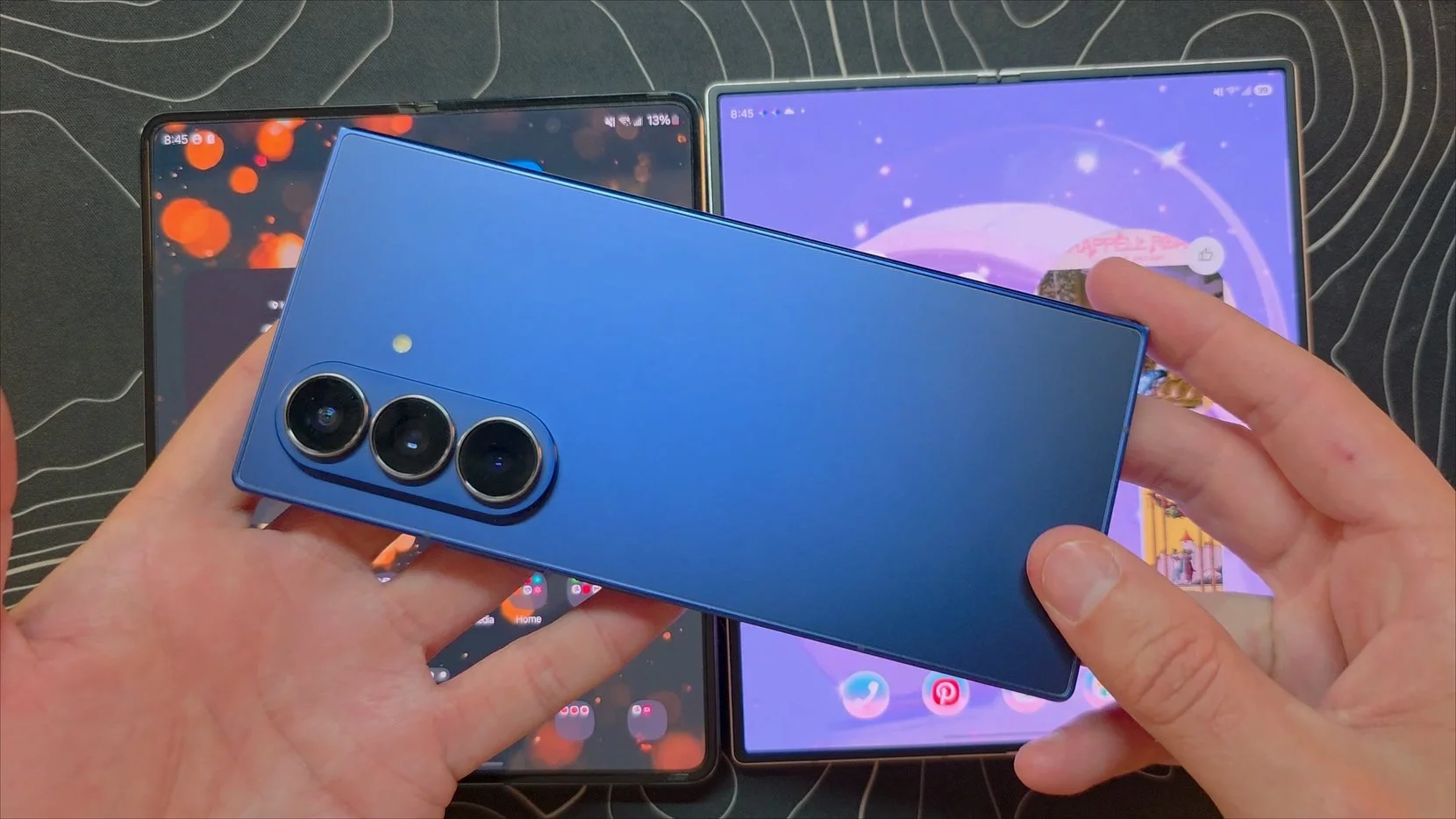
Then came the Z Fold 7, which felt like Samsung's foldable magnum opus in that traditional style. It was remarkably thin, weighed in under 220 grams and gave us a cover screen wide enough that it finally felt like a normal phone. The inner display was wider, the crease was subtle and the overall package made it an easy favorite.
The Radical Shift of the Galaxy Z Fold 8
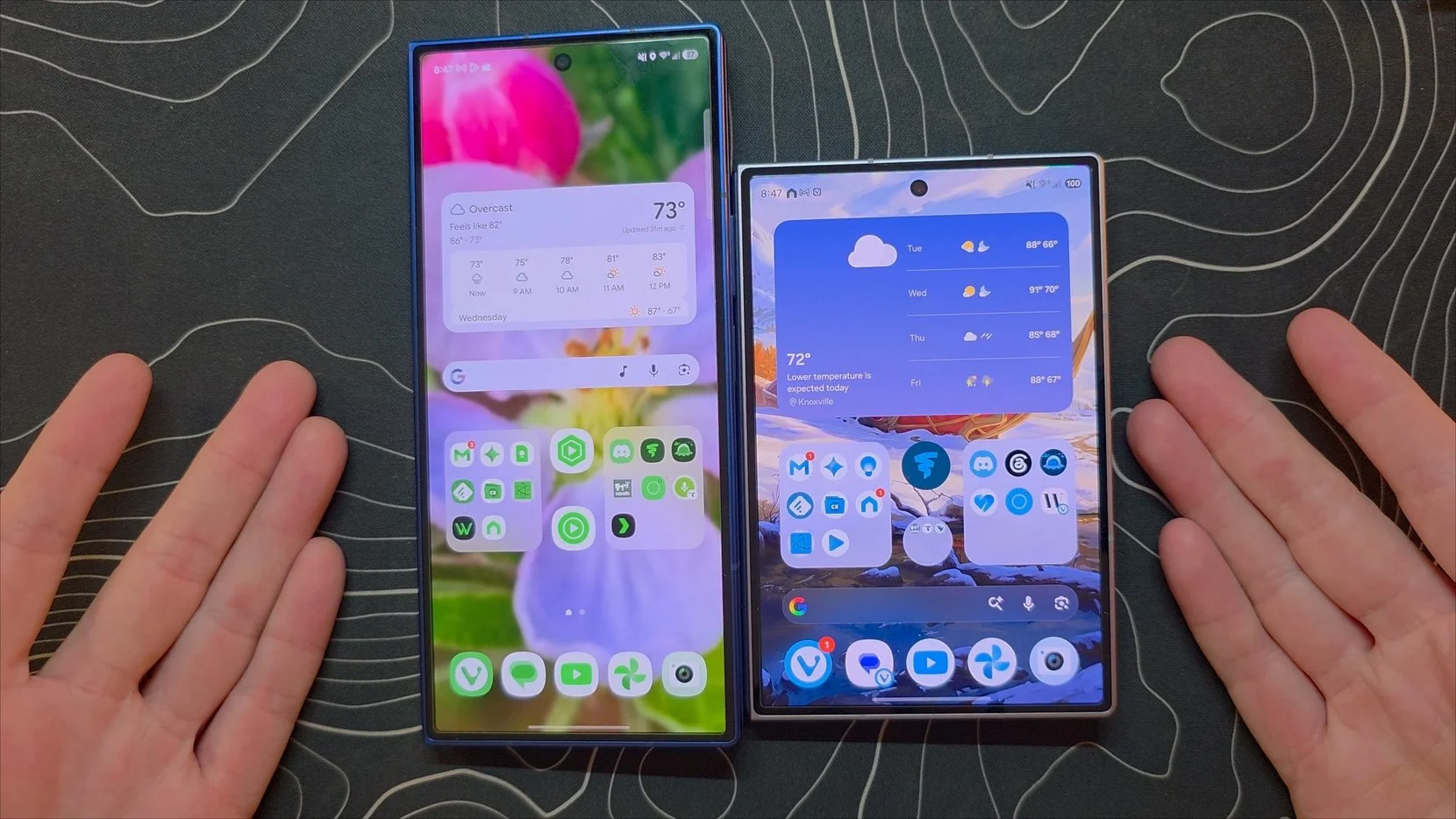
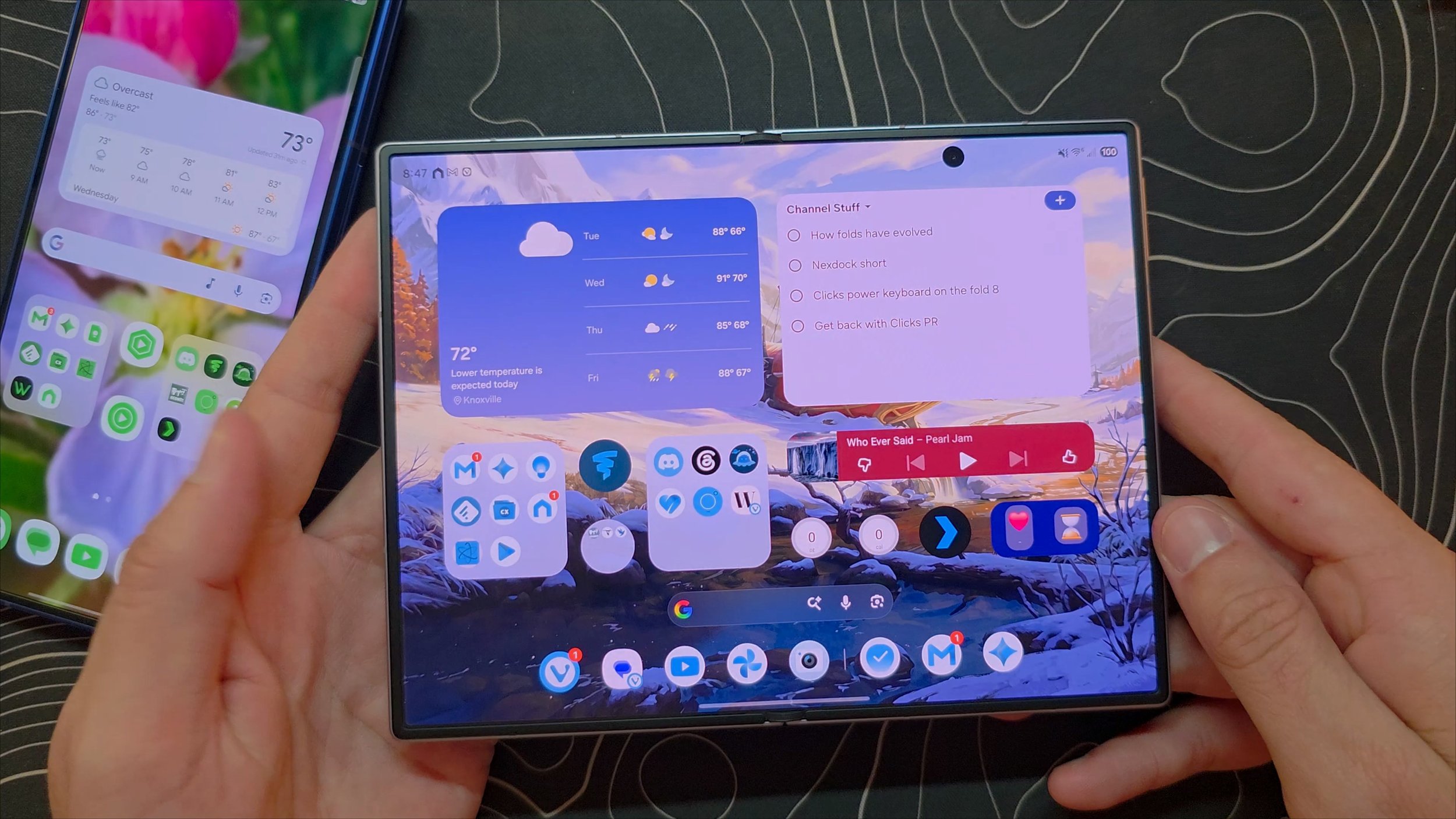
That brings us to the Galaxy Z Fold 8, which completely upends the design lineage. Instead of chasing a giant square inner canvas, Samsung moved to a 4:3 landscape aspect ratio.
The Fold 8 is slightly thicker than the featherweight Fold 7, but it is lighter and dramatically more usable. The cover display is finally easy to use with one hand. You can comfortably reach across the screen and up to the top corners without hand gymnastics.
Unfolding the device reveals what might be the best inner screen Samsung has ever built. The anti-reflective coating handles glare beautifully, and the crease is practically invisible to the eye and undetectable to the touch. From an engineering standpoint, the lack of harsh creasing points to far better long-term durability.
The natural landscape orientation makes media consumption great right out of the box, multitasking feels natural and standard phone apps do not get stretched into awkward square proportions.
Does the Missing Telephoto Actually Matter?
Samsung achieved the Fold 8 form factor by making some trade-offs, most notably removing the dedicated telephoto camera entirely. While tech enthusiasts online immediately flagged this as a downgrade, real-world reactions might tell a different story.
I was recently at a family gathering where nearly everyone was using high-end iPhone Pro Max models. When I showed them the Fold 8 and mentioned the upcoming foldable iPhone might also skip the telephoto lens, I asked if that would be a dealbreaker. Both of them looked at their triple-lens cameras, shrugged and admitted they rarely ever touch the telephoto anyway.
It makes you wonder if tech reviewers have overemphasized the absolute necessity of telephoto lenses for mainstream buyers. If the strong reception to the Fold 8 is any indication, people seem much more interested in a device that is thin, lightweight and comfortable in the hand than carrying around extra camera glass they might never use.