Google’s Uphill Battle Selling an AI Laptop
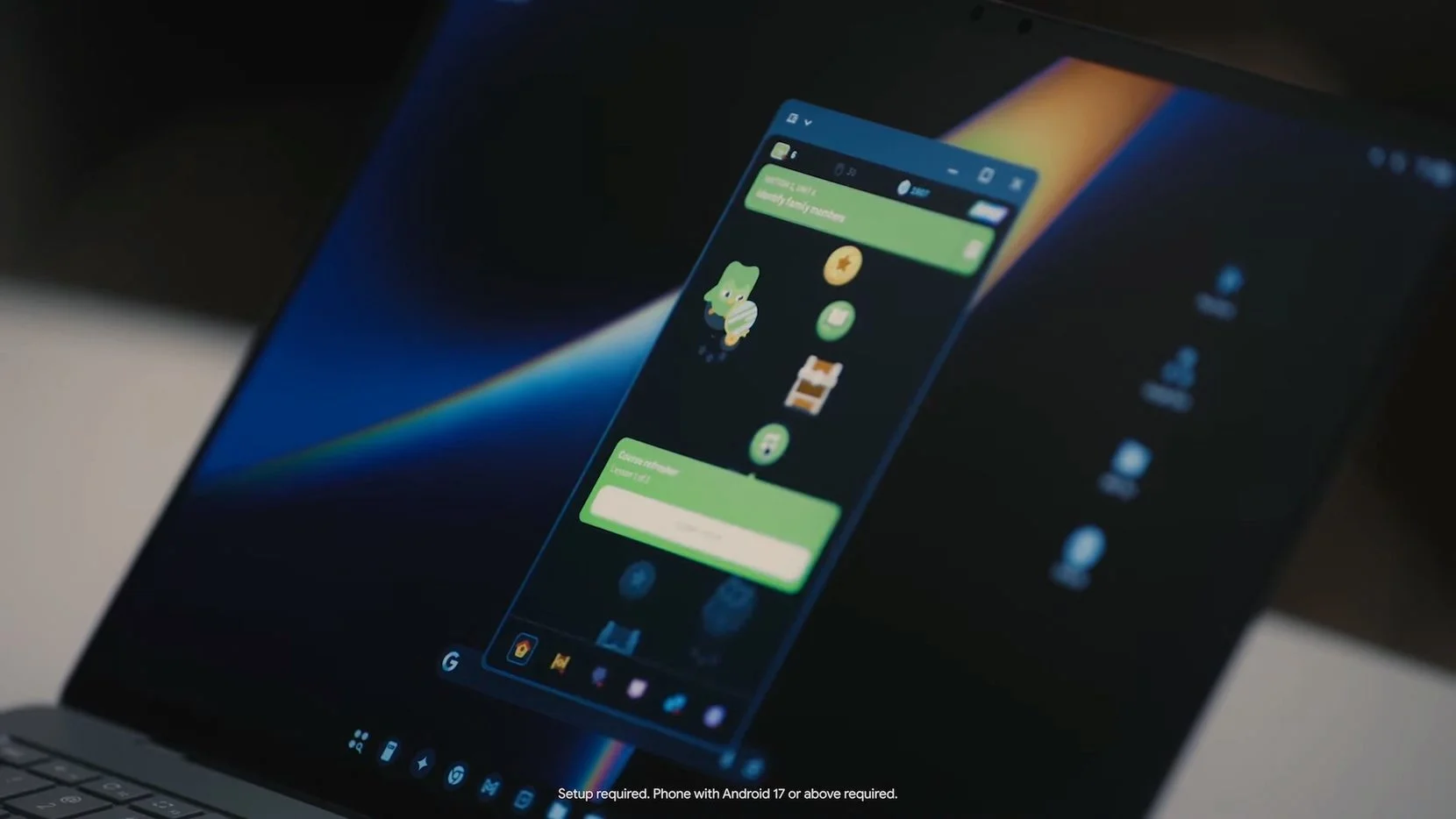
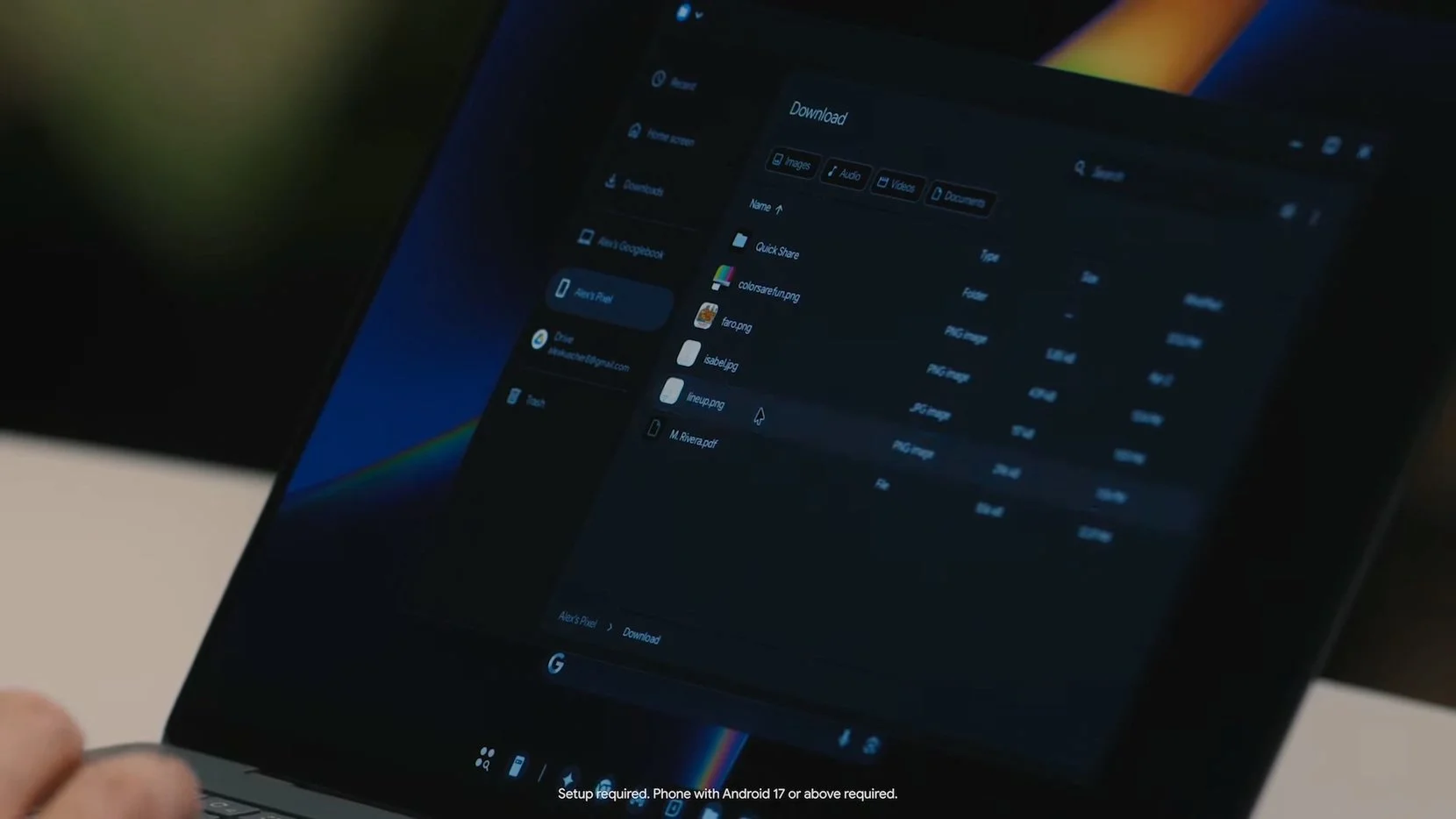
Google recently made waves by unveiling the Googlebook, a brand new laptop platform built by merging Android and ChromeOS into a cohesive desktop interface. Major manufacturers like HP, Dell, Lenovo, Acer and Asus are already on board to launch these devices. Features like seamless phone file syncing and a "magic" cursor to extract screen information show a lot of promise. Google is leaning incredibly hard into Gemini AI, aiming to position the Googlebook as the ultimate AI-native hardware.
This aggressive push raises a critical question: is an AI-first laptop actually what consumers want, or are we witnessing a massive case of market fatigue?
The tech industry has already seen a prominent cautionary tale with Microsoft. The software giant spent the last few years treating artificial intelligence like a default layer of computing, cramming Copilot into everything from the Windows taskbar to dedicated keyboard keys. The strategy has largely sputtered. A former Microsoft VP recently pointed out that Microsoft may have missed the AI wave by mistaking forced distribution for actual product-market fit. Copilot is currently scaling back in Windows 11 as everyday users find the features more invasive than helpful. Paid enterprise adoption remains incredibly low compared to the overall user base, proving that forcing AI down the throats of the uninterested can alienate your most core audience.
This highlights a major strategic crossroads for modern operating systems. Tech companies can invest heavily into aggressive, front-facing AI features that users might just actively push back against, or they can shift that focus toward the grounded utility features people actually need on a daily basis. Consumers consistently clamor for other more basic, but probably more useful features. The ability to stream your phone screen and reliable, instant file syncing back and forth between devices happens to be something Google is actually doing with this platform, and things like that might need to be a much bigger focus moving forward.
There is, of course, a chance that a right way to integrate AI exists, and Microsoft simply missed the mark by being too heavy-handed. Perhaps Google can succeed where Redmond failed by introducing Gemini in a more intuitive, less intrusive manner.
A recent poll that I ran on a community post on YouTube echoes this sentiment among tech enthusiasts. When asked about a desktop-style Android laptop that stays clear of AI overload, 50% of respondents said "let me choose how much Google I want," while only 16% expressed straightforward enthusiasm for the Googlebook as currently presented. The remaining 34% stated they simply do not want an Android laptop at all. This data shows a clear desire for user agency over system-level AI integration.
Beyond the AI fatigue, the Googlebook faces a much more grounded, practical hurdle: the Android app ecosystem. If Google wants this platform to be a true alternative to traditional laptops, it absolutely needs desktop-quality apps. It cannot just rely on a library of stretched-out mobile phone applications.
To become a viable primary device for most consumers, there are essential Windows and macOS productivity tools and applications that people simply have to have to get their daily work done. As things stand right now, it is completely unclear if, when, or even how these heavyweight desktop applications are going to be ported over to the new combined platform. Relying on developers to build fully optimized, desktop-grade software specifically for an Android-based laptop interface is a massive gamble.
In a prior article, I wrote that Google might need to look into a compatibility layer as the ultimate fix for this software deficit. A perfect blueprint for this is Valve's Proton layer on the Steam Deck, which seamlessly translates massive, complex Windows games to run flawlessly on a Linux-based handheld console. If Google can build a similar translation or compatibility tool that allows traditional Windows productivity applications to run directly on the Googlebook, it would instantly solve the problem. Without a functional bridge to handle legacy desktop programs, this platform risks launching as a beautifully designed piece of hardware with nowhere to run true professional software.
Google has a fascinating piece of hardware on its hands with the Googlebook, but success will rely on listening to a weary consumer base. If they focus on solving the app ecosystem crisis and giving users the choice to opt out of the AI onslaught, they might just redefine portable computing. If they repeat Microsoft's mistakes by forcing an AI-first narrative, the Googlebook may find itself rejected by the very power users it needs to attract.
It is worth pointing out, however, that we still know very little about the Googlebook right now. Google has a persistent tendency to announce new platforms and initiatives earlier than they probably should, often leaving out critical details at the initial unveiling. This approach naturally creates an information vacuum where the tech community is forced to speculate and narratives begin to form on their own. It is entirely possible that Google already has solid answers to these app and AI questions behind closed doors, but right now, we just don't know.