Is MKBHD Wrong About Silicon Carbon Batteries?
I talked about this half a year ago and no one got angry..
As someone who was diagnosed with ASD at the ripe old age of 29, I know quite well that how you say things usually is more important than what you say.
"I don't know why you're mad at me, nothing I said was factually inaccurate."
"It's not what you say.. it's how you say it."
I would imagine that the biggest tech YouTuber in the galaxy, MKBHD, knows this quite well, but if he didn't.. He sure knows now.
In case you missed it, Marques Brownlee made a video talking about Silicon Carbon batteries and to be honest, very little of what he said in the video was factually wrong. Yet, the internet is furious. The funny thing about this situation is that I made essentially the exact same video 6 months ago and the reception was fine. My video has a 98.5% like ratio, no pitchforks, no torches.
So what went wrong for Marques? Beyond the fact that the bigger you are, the higher the level of scrutiny, there are a few things that I think set this video up for one hell of a reception.
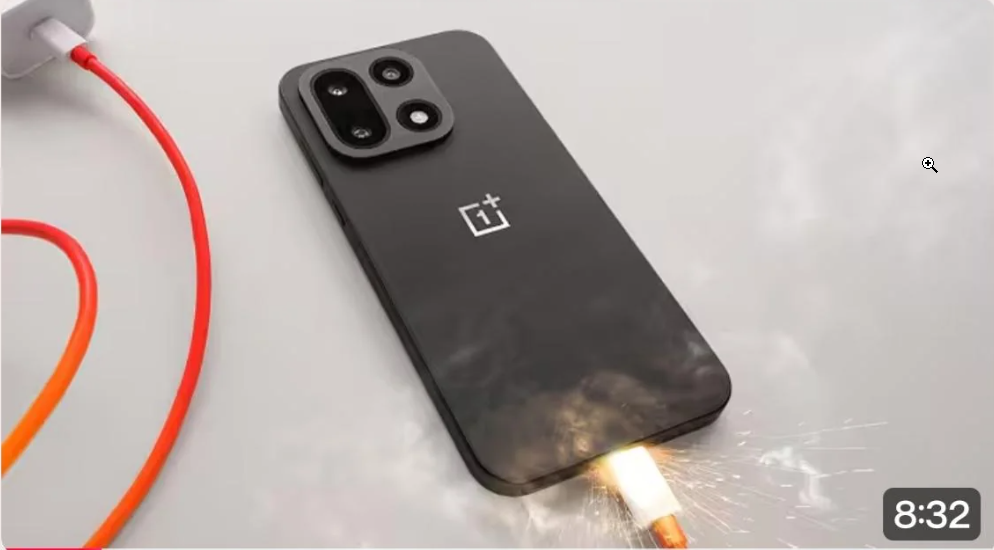
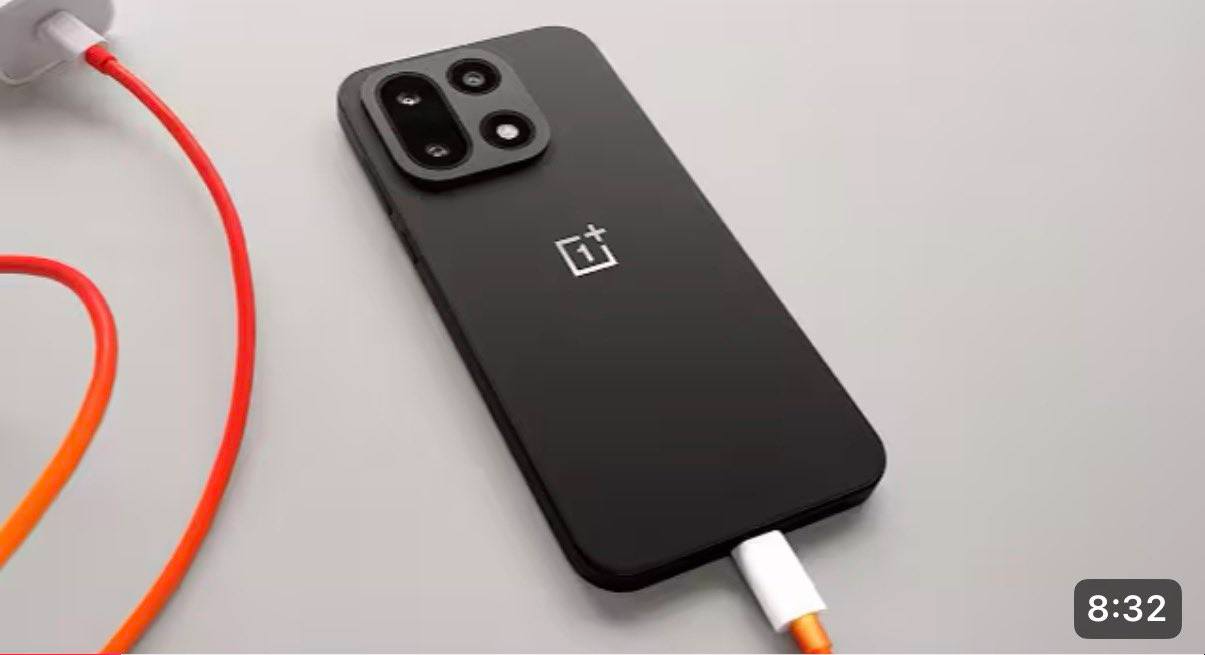
The most immediate problem was that thumbnail. By using a picture of a OnePlus phone with literal flames shooting out of the charging port, he effectively signaled to the audience that these phones are a fire hazard. People felt like he was throwing OnePlus under the bus without any real reports of fires or explosions relating to silicon carbon batteries to back it up. While phone batteries can and do fail across all brands, singling out OnePlus in such a dramatic way felt like fear-mongering to many viewers.
The backlash to this clickbait imagery was swift and loud in the comments section. Viewers accused him of sensationalism and unfair targeting. Recognizing the misstep, Marques eventually swapped out the "inflammatory" thumbnail for a much more neutral one, showing the same phone and cable but without the added pyrotechnics.
However, the damage was already done. That initial image primed the audience to be defensive and critical. It set a tone of alarmism before the video even started, perfectly illustrating my point: it wasn't just what he was going to say about the batteries, but how he chose to present it from the very first click.
Once you get past the initial shock of the thumbnail, the actual claims in the video are where things get really interesting. Despite the backlash and general response to the video, very little of what he actually says is wrong. Marques starts by laying out the obvious benefits of silicon carbon technology, noting how it allows for massive battery capacities in incredibly thin devices, like an iPhone clone with a 10,000 mAh battery that stays remarkably slim. He points out that while companies like Xiaomi, Honor and OnePlus are shipping these in huge volumes, the big players like Apple, Samsung and Google are notably absent from the party. To explain this divide, he leans on some private emails he received from industry insiders who claim there are major concerns regarding swelling and long term longevity.
While he doesn’t mention exactly who these emails are from, I think it’s probably safe to assume that these emails came from people within the large phone OEMs who aren’t using these batteries. Marques has a prominent voice and he has gone out of his way in the past to admonish brands like Apple and Samsung for not using Silicon Carbon batteries. To think that they’d shoot over an email to explain why they aren’t seems very reasonable.
The issue I have here is that at this point, MKBHD is acting as a public relations arm for these OEMs. When I made a video/article telling you much of the same things, I was doing so speculatively. I was telling you why I thought these brands were not using Silicon Carbon. What MKBHD appears to be doing is passing along the company line given to him by them directly. It feels different to me.
The technical core of his argument is that the silicon in Silicon Carbon batteries will expand to three times its original volume when it absorbs lithium ions during a charge cycle. He compares this to a sponge that triples in size then shrinks back down over and over, suggesting that this constant mechanical stress eventually leads to internal cracking or even thermal runaway. He even mentions hearing about certain devices needing a literal steel cage around the battery just to keep the swelling in check.
Technically, there’s nothing inaccurate with what he’s saying. The silicon in these batteries do indeed swell far beyond what you see with Lithium Ion batteries, some OEMs are indeed using cages to prevent swelling in some applications and the swell/contract cycles do absolutely cause physical damage to the batteries. This is all just factual.
So why are people mad? If you read the comments, they seem to almost all be taking umbrage with the idea that Silicon Carbon batteries aren’t safe. They are furious that Marques would claim that these batteries are prone to thermal runaway, or more colloquially, exploding. At one point in the video, they show the Pixel 10 Pro Fold catching fire after being bent backwards by Zack from Jerryrigeverything leading to an all-too predictable response. “That phone uses Lithium Ion”, reads 23468 angry replies.
We know that the objectively awful thumbnail certainly painted a picture of these batteries being bombs waiting to go off, but what did Marques actually say in the video that added fuel to this fire? Watching the video back a second time, the only spot where he mentions thermal runaway comes at 5:15 in the video. He says “The cracking in this case is potentially some type of internal damage to the battery, which is obviously really bad news. And worst case scenario is some type of thermal runaway, which obviously nobody wants that happening in their pocket.”
To be totally frank, there’s nothing about that which is wrong. A thermal runaway is possible when a battery over expands too many times. However, given that these batteries have been on the market for several years at this point, has there been a widespread issue with these batteries exploding? The answer is no and I think that this is the second place where this video fell short. Given how primed the thumbnail had people, he absolutely had to acknowledge that there hadn’t been any documented increase in issues with Silicon Carbon batteries and he just didn’t.
The shame here is that the bulk of what he says in this video I totally agree with. At 6:10, he says “In one of my conversations my source mentions that with all the thorough testing going on getting issues down to a rate of under one in 250,000 feels pretty good... but at Samsung or Apple's scale if it's tens of millions of phones that could still not be good enough.” Remember, it only took around 30 Note 7s failing, around .01% of the units sold, to cost Samsung billions.
The narrative that is being lost in the noise is the one about corporate risk assessment. This isn't necessarily a story about "bad" technology or dangerous batteries; it is a story about the massive chasm between a company that needs to disrupt the market to survive and one that already owns it. For the likes of Honor or OnePlus, shipping a 7,000mAh battery is a competitive necessity—it is a "killer feature" that wins over enthusiasts and moves the needle in a crowded hardware landscape. For them, the reward of being first outweighs the statistical gamble of a new chemistry.
But for the giants like Apple and Samsung, the math looks completely different. These companies are in no logical position to "move fast and break things." They are already selling millions of phones every quarter with traditional lithium-ion batteries that people are, for the most part, perfectly happy with. They have zero incentive to adopt a "bleeding edge" technology that carries even a fraction of a percent of increased risk. In their world, a single high-profile failure isn't just a bad review; it is a multi-billion dollar recall and a decade of brand damage. They are happy to be conservative, sitting on the sidelines and letting other brands do the long-term, real-world vetting for them.
Instead, due largely to that initial thumbnail and some clumsy wording, the actual story is being missed. What could have been a fascinating look at the differing philosophies of hardware innovation vs. corporate risk management turned into a defensive battle over whether your phone is going to blow up in your pocket. It is a classic case of the delivery overshadowing the data. Marques was technically right, but by leading with a smoking phone and hypothetical thermal runaway, he made it impossible for the audience to hear the nuance.