Moto Razr Fold Is Like a Pixel.. But Different..
Using the Moto Razr Fold feels a lot like stepping into a bizarro world Google Pixel where the focus is entirely flipped, leaning heavily into incredible hardware rather than hyper-polished software. Visually, Motorola’s Hello UI looks remarkably like stock Android with just a few custom touches, giving it a very distinct Pixel-esque vibe. However, you miss out on some of the best software magic that makes Pixel devices so charming, while gaining massive hardware advantages that Google seems to have no intent on matching.
Thickness, Weight, and Feel
Placing the Moto Razr Fold next to the Pixel 10 Pro Fold, the hardware differences jump out immediately. The Razr Fold is noticeably thinner and lighter. It is still one of the heavier foldables on the market, but the Pixel is a fairly chunky device in comparison. While the thickness difference is not radical, it is absolutely worth pointing out if you carry your phone in a pocket all day.
Where the Pixel Wins: Software Magic
When you pull down the quick settings and notifications, the two interfaces look virtually identical. Motorola is clearly happy to take stock Android and add a little bit of their own flare. Because the base is so similar, the real comparison comes down to the exclusive features built on top of it.
Google still holds the crown for daily quality-of-life features:
Voice Typing: Gboard voice dictation on the Pixel is incredibly fast and accurate, allowing for seamless voice commands like "send" or "stop" on the fly. The Razr has helpful AI writing tools for grammar and spelling corrections, but pure dictation is still unmatched on the Pixel.
Call Features: The Pixel features excellent call screening and hold-for-me automation. While the Razr offers basic caller ID and spam filtering, it lacks the advanced phone app AI.
Now Playing: The Pixel automatically identifies music playing in the background on your lock screen. On the Razr, you have to manually tap a Google search widget to figure out a song title.
Software Updates and Stability: While Moto promises 7 years of software updates, their track record for timely delivery remains to be seen. Pixels receive major updates rapidly and generally offer a more bug-free experience. For instance, certain widgets like Gradient Weather or Google Health fail to render correctly on the Razr’s outer display due to scaling issues, a problem you rarely encounter on a Pixel.
Where the Razr Wins: Power and Productivity
Motorola aggressively leans into hardware and productivity tools, offering a suite of features that power users will love:
Stylus Support: The Razr supports an active stylus, which is a major missing piece for Pixel Fold users.
Advanced Multitasking: The Razr allows you to create an app carousel in split-screen mode and open dozens of free-form floating windows simultaneously. The Pixel is much more rigid, only allowing you to place two apps side-by-side with very limited floating bubble options.
Desktop Mode: Both phones can plug into an external monitor, but Motorola's "Ready For" platform is vastly superior. The Pixel’s desktop mode still struggles with certain monitor aspect ratios, stretching out notifications to look like a giant phone screen. The Razr offers a proper, feature-rich desktop experience with excellent window snapping and a dedicated trackpad mode on the phone screen.
Battery and Performance: The Razr packs a massive 6,000 mAh battery compared to the Pixel’s slightly over 5,000 mAh cell. Combined with a more thermally efficient Snapdragon processor, the Razr easily finishes the day with around 40% battery remaining, whereas the Tensor-powered Pixel has significantly less headroom.
Camera Comparison: Hardware vs. Software


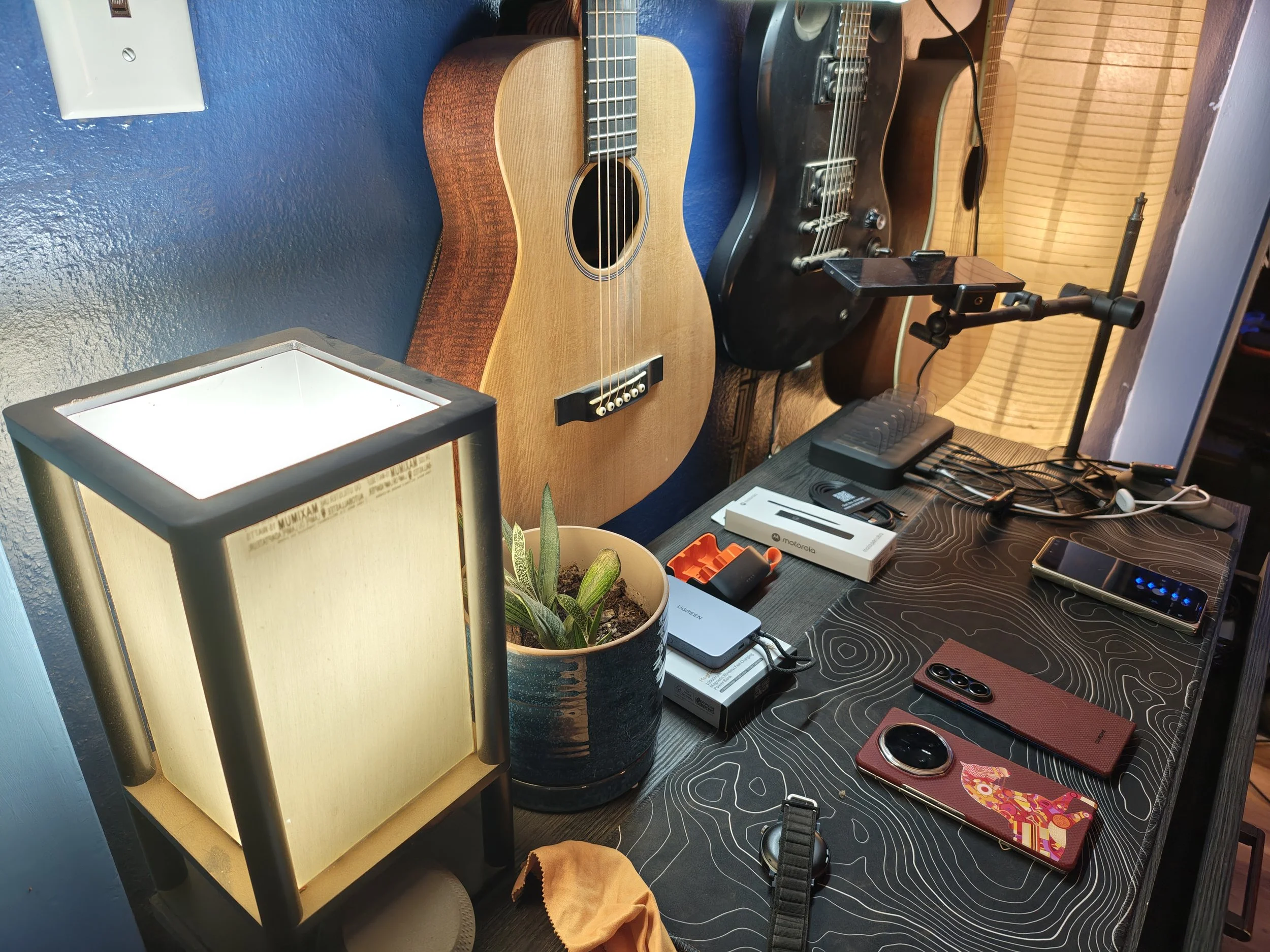
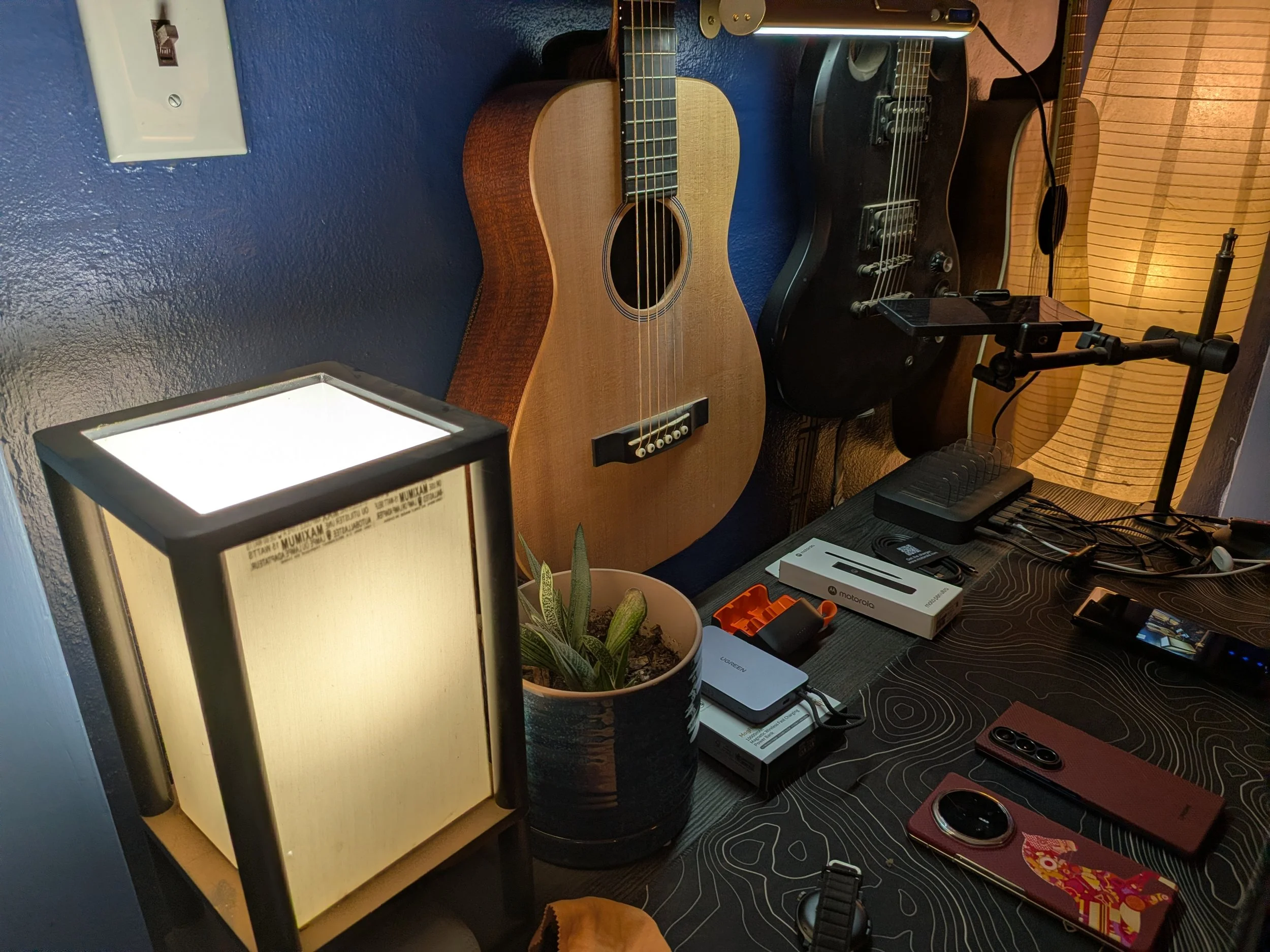
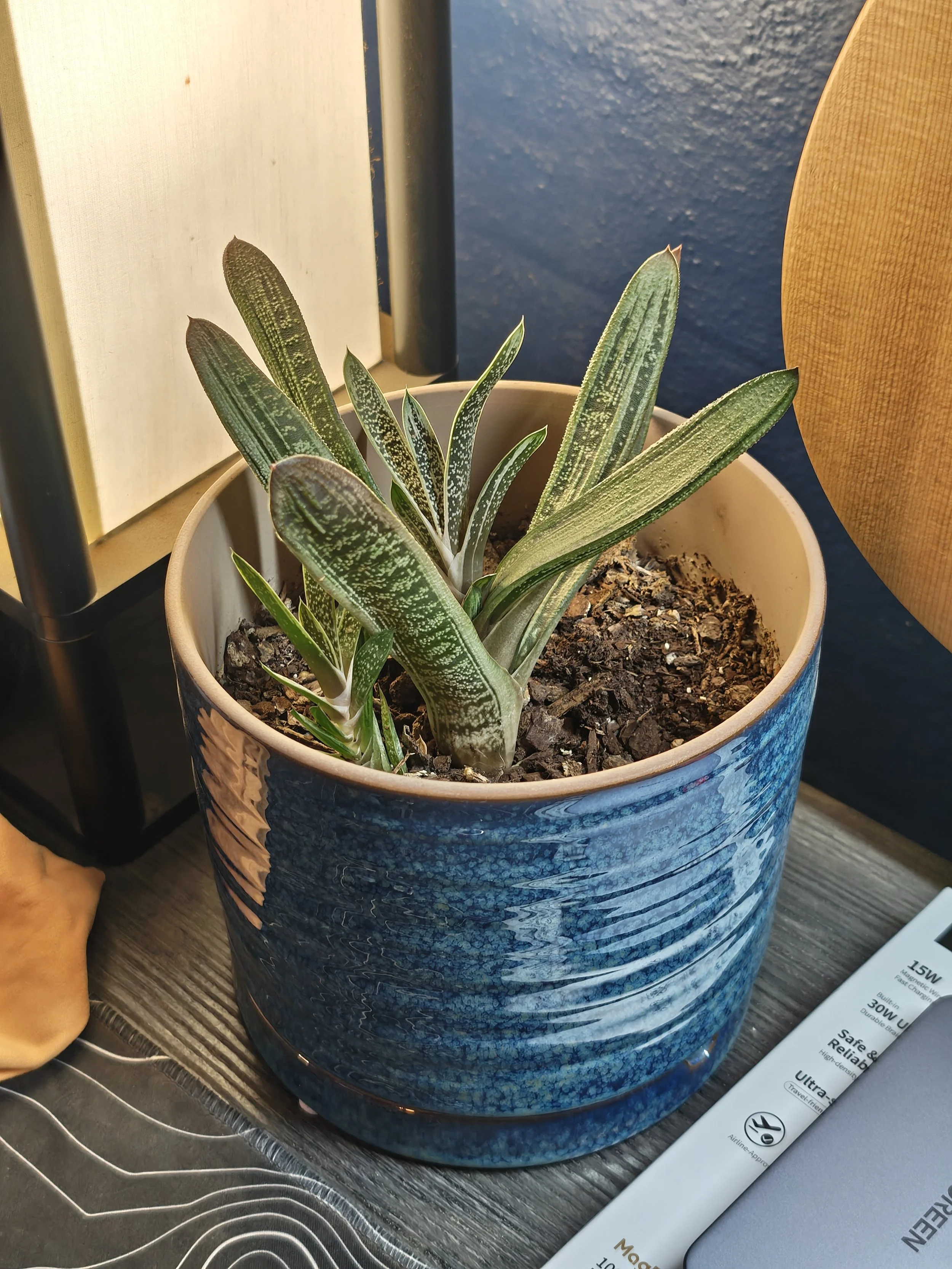
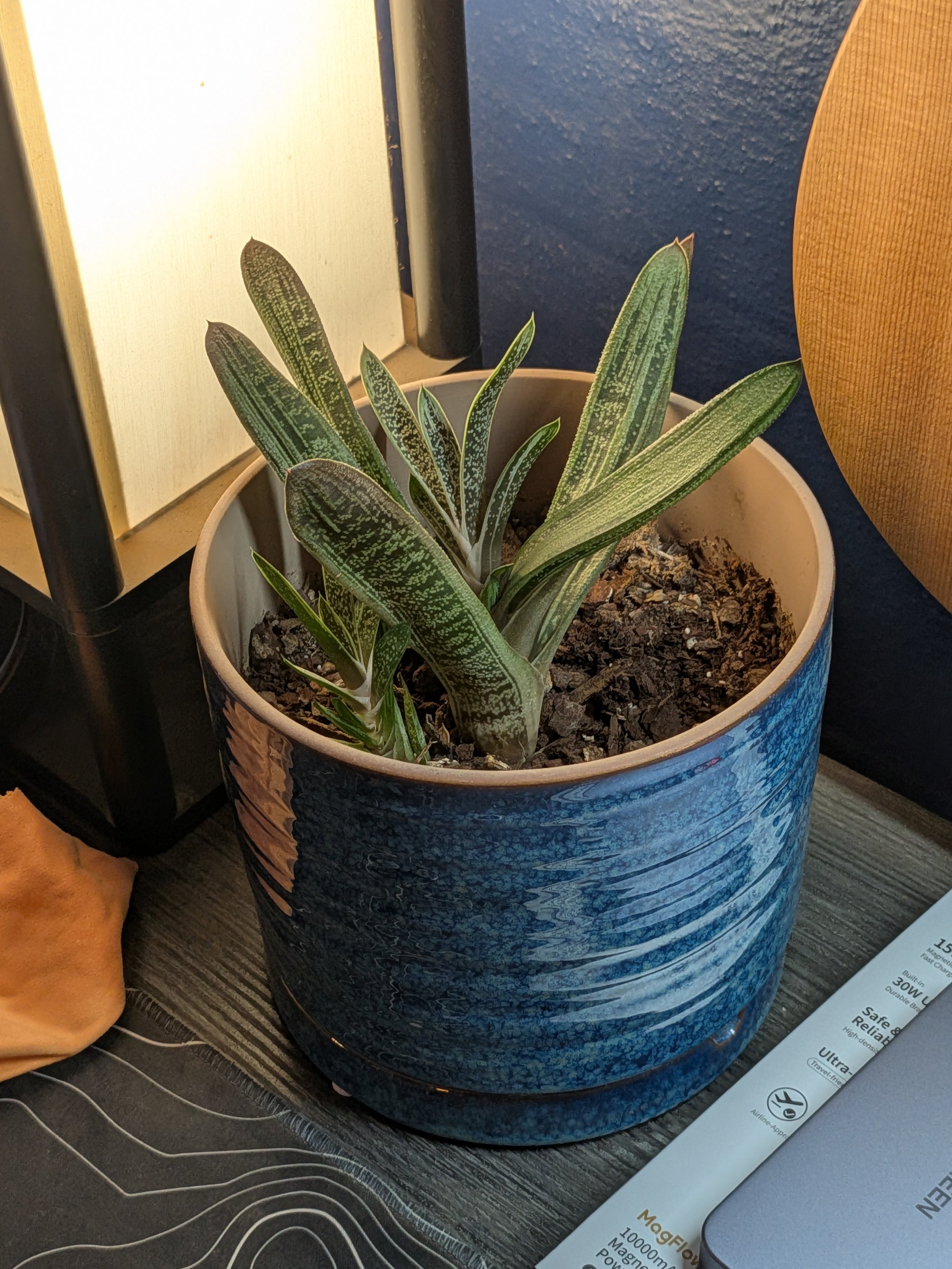


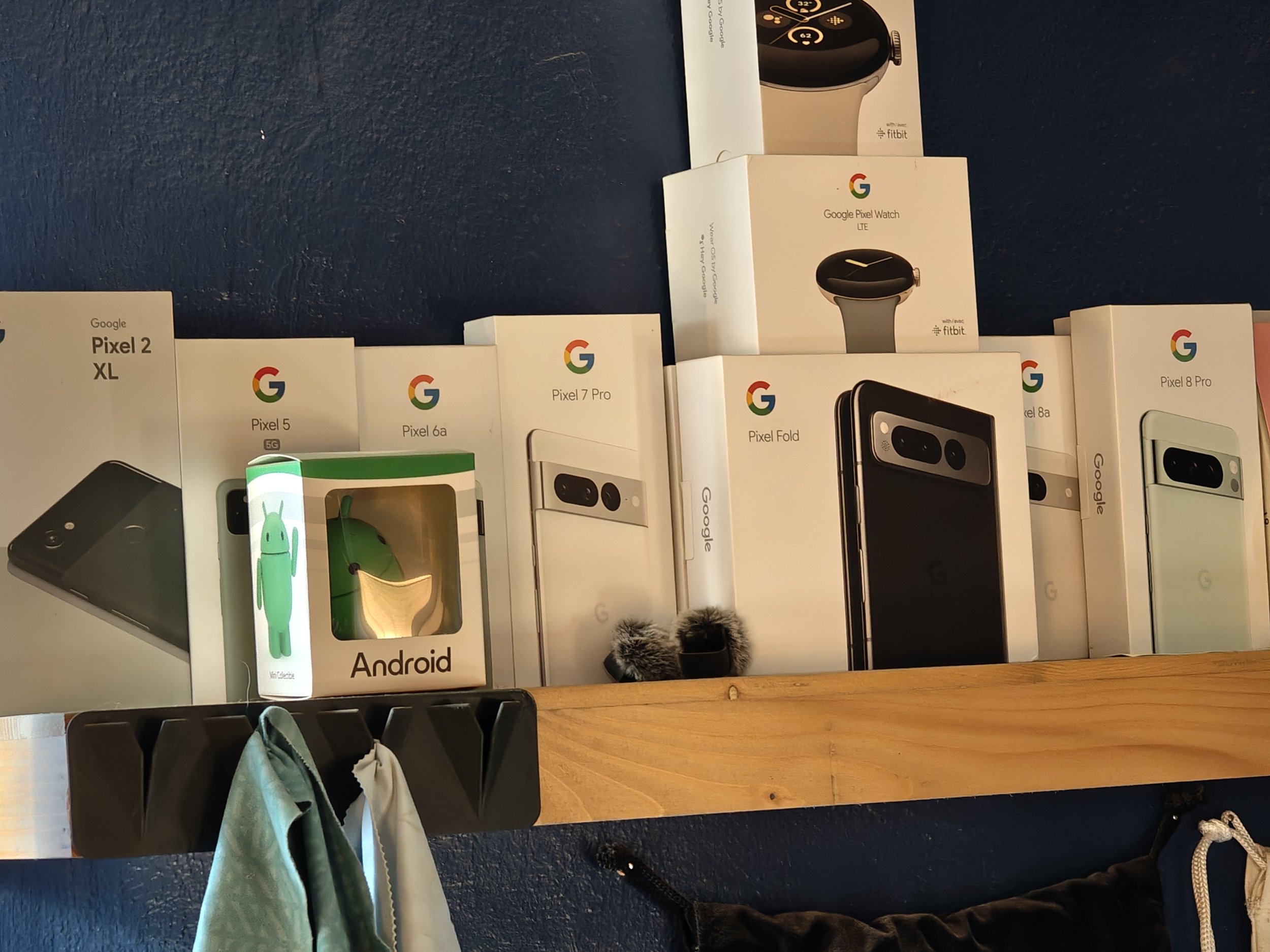
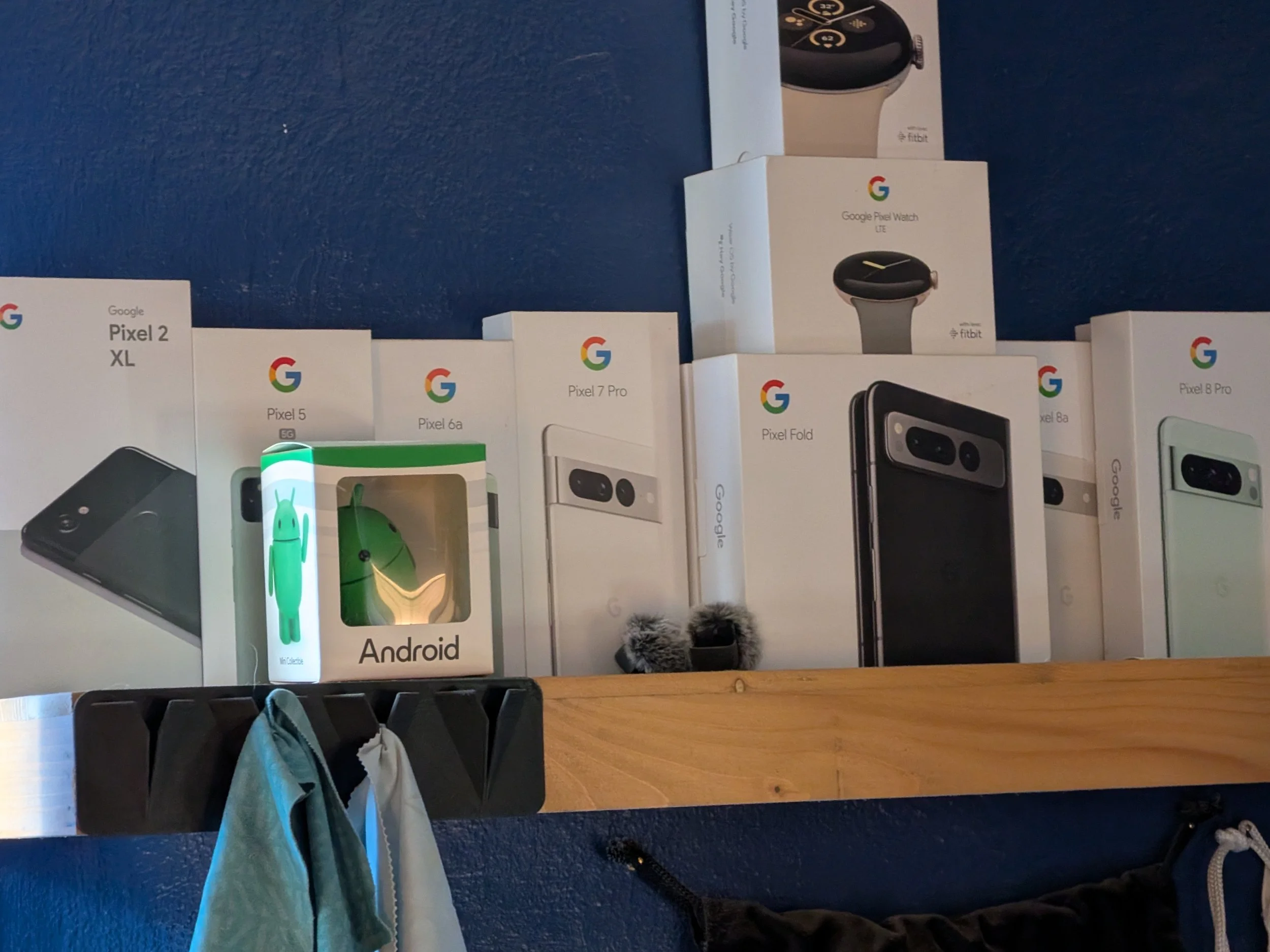
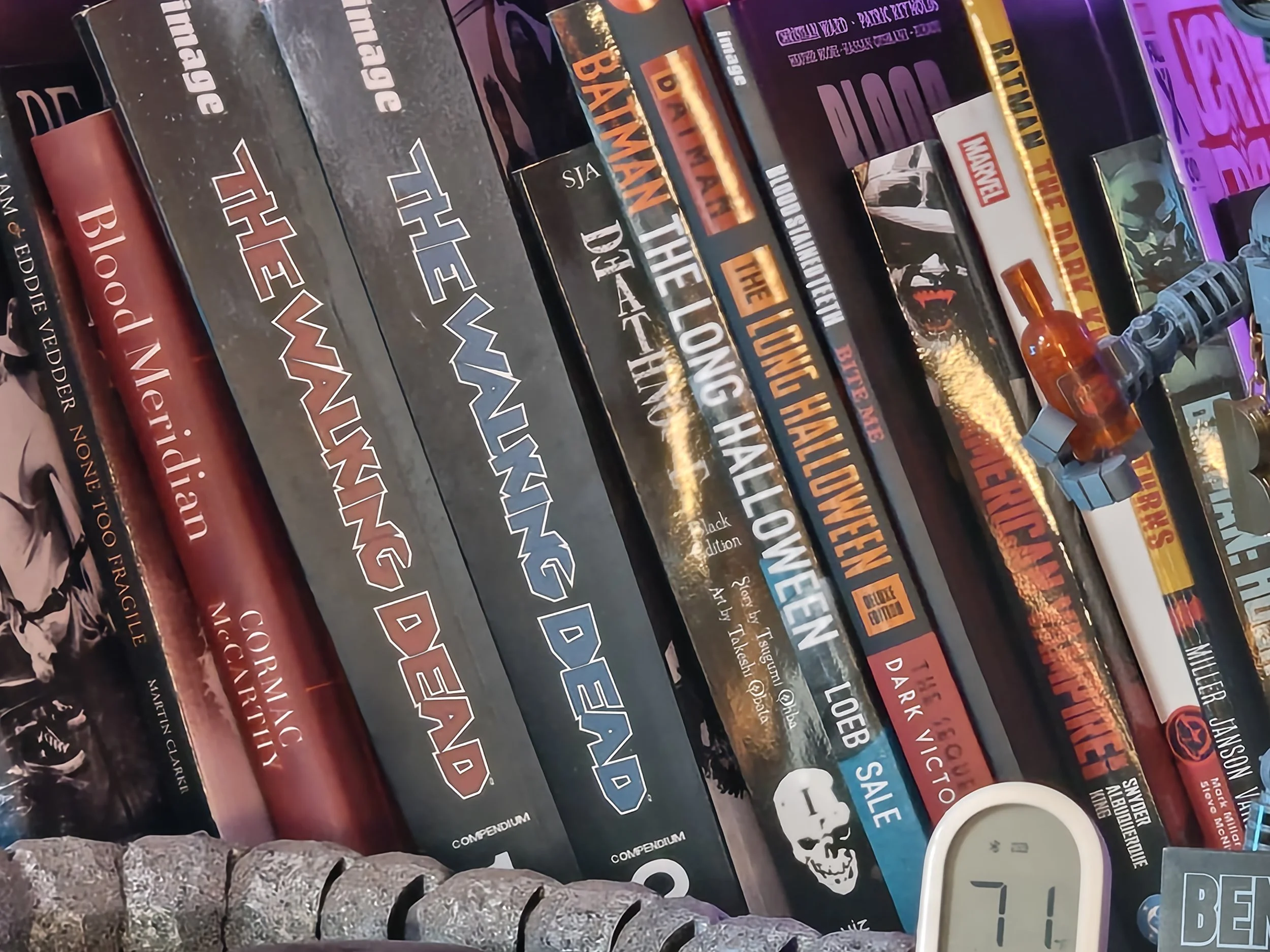





Photography is the ultimate battleground for this comparison. Motorola brings superior camera hardware to the table, while Google relies on its legendary computational processing.
The Razr likes to expose images very brightly. While it lacks a persistent exposure slider to tone this down, it manages to capture incredible detail. Zooming into standard 1x shots, the Razr often delivers crisper text and finer details, such as individual strands of faux fur on a toy, while the Pixel can look a bit noisy and oversharpened. In tricky lighting scenarios with competing bright spots, the Pixel can sometimes under-expose the image significantly, whereas the Razr preserves detail with less overall noise.
Looking at the 2x digital zoom using the primary sensor, the Razr captures cleaner soil textures and plant details, while the Pixel struggles with noticeable noise.
When you bump out to a 3x zoom, which is digital on the Pixel and optical on the Razr, both look comparable in bright light. The Razr offers a shallower depth of field, but the Pixel hangs close. However, once the lighting starts to degrade, the comparison changes completely, and the Razr runs away with a stark victory.
At 5x zoom, the Pixel benefits from its optical lens to hold its ground with good clarity, though the image can look slightly washed out compared to the warmer, more yellowish tones of the Razr.
The real gap widens at 10x zoom and beyond. The Razr’s massive sensor allows it to retain readable text and sharp lines, whereas the Pixel introduces a hazy, grainy quality as the small sensor gets pushed past its limits. If you step outside to take a picture of something out in nature, the Pixel has a distinct haze, while the larger sensor on the Razr simply gives you a better shot.
While the Pixel remains incredibly consistent and rarely misses a shot, it has a high floor but a lower ceiling. The Razr hits much higher heights, making it the preferable hardware choice for landscape photography or zooming in on distant objects.
The Verdict
The Moto Razr Fold ultimately trades away exclusive Pixel features like the journal app and magic audio cue tools in exchange for superior multitasking, a better desktop mode, a more capable camera array, a larger battery, and faster charging.
For users who value raw hardware capabilities and productivity over Google's ecosystem polish, the Razr Fold takes the win.