The Wide Galaxy Z Fold 8 Has a New Slightly Confusing Name
For months, the tech world has known that Samsung is shaking things up by launching two distinct book-style foldables later this year. We have seen the CAD renders, analyzed the leaks, and even played around with 3D-printed mockups to understand the size differences.
The biggest mystery left hanging over this launch was the naming strategy. Everyone assumed the device that looks nearly identical to previous generations would keep the standard name, while the new, wider variant would get a descriptive suffix like the Galaxy Z Fold 8 Wide.
A massive leak has turned that assumption completely upside down.
Flipping the Script on Naming
According to a report from SamMobile, Samsung has locked in the official branding for both upcoming flagships, and the decision is bound to cause some confusion.
The device that carries forward the familiar, narrow design language of previous models will actually be called the Galaxy Z Fold 8 Ultra. The highly anticipated wider model is taking over the baseline name, launching simply as the Galaxy Z Fold 8.
This feels completely backwards when you look at the rumored specifications. The upcoming wide version is reportedly dropping the telephoto lens entirely, leaving it with just two rear cameras. It also downgrades the battery capacity to 4,800 mAh.
Usually, the standard model serves as the direct successor to the previous generation, while the Ultra branding signifies a premium spec bump. Samsung is doing the exact opposite, using the Ultra tag to designate the familiar form factor and the standard tag for the new, hardware-modified experimental shape.
Does the New "Ultra" Earn Its Title?
Labeling the narrow model as an Ultra device raises a lot of questions. Samsung heavily associates the Ultra moniker with the absolute pinnacle of mobile hardware, a standard set by phones like the S26 Ultra.
The Galaxy Z Fold 8 Ultra will feature the massive 200-megapixel primary camera and the upgraded 50-megapixel ultrawide sensor. It runs the identical top-tier processor and packs a 5,000 mAh battery, matching the S26 Ultra on paper.
The comparisons start to fall apart when you look closer. This new Ultra foldable lacks the advanced, high-magnification zoom lenses found on Samsung's traditional flagship phones. Rumors also indicate that the built-in S Pen stylus slot will be completely absent from this model. When compared to fierce competition from brands like Motorola, Honor, and Oppo, calling this device Ultra feels like a stretch driven mostly by marketing teams.
Where this device might actually earn some praise is its physical engineering. Reports suggest Samsung has managed to make the Z Fold 8 Ultra remarkably thin, targeting a folded thickness of around 4.1 mm while dropping the weight down to a mere 210 grams.
The Silver Lining: A Potential Price Drop
This confusing nameswap could actually hide the best news of the entire generation.
By positioning the new wide aspect ratio model as the standard Galaxy Z Fold 8, Samsung is signaling a clear hierarchy. Because the standard version has a smaller battery, lacks a third camera lens, and is missing other premium trimmings, it cannot launch at the traditional $1,999 price ceiling.
Samsung is unlikely to push the Ultra price past $2,000 in the current market, meaning the standard, wider Galaxy Z Fold 8 will almost certainly debut at a lower price point. A starting price of $1,799 would perfectly align it against competitors like the Pixel Fold, making a wider form factor far more accessible to regular consumers.
Visualizing the Wide Display
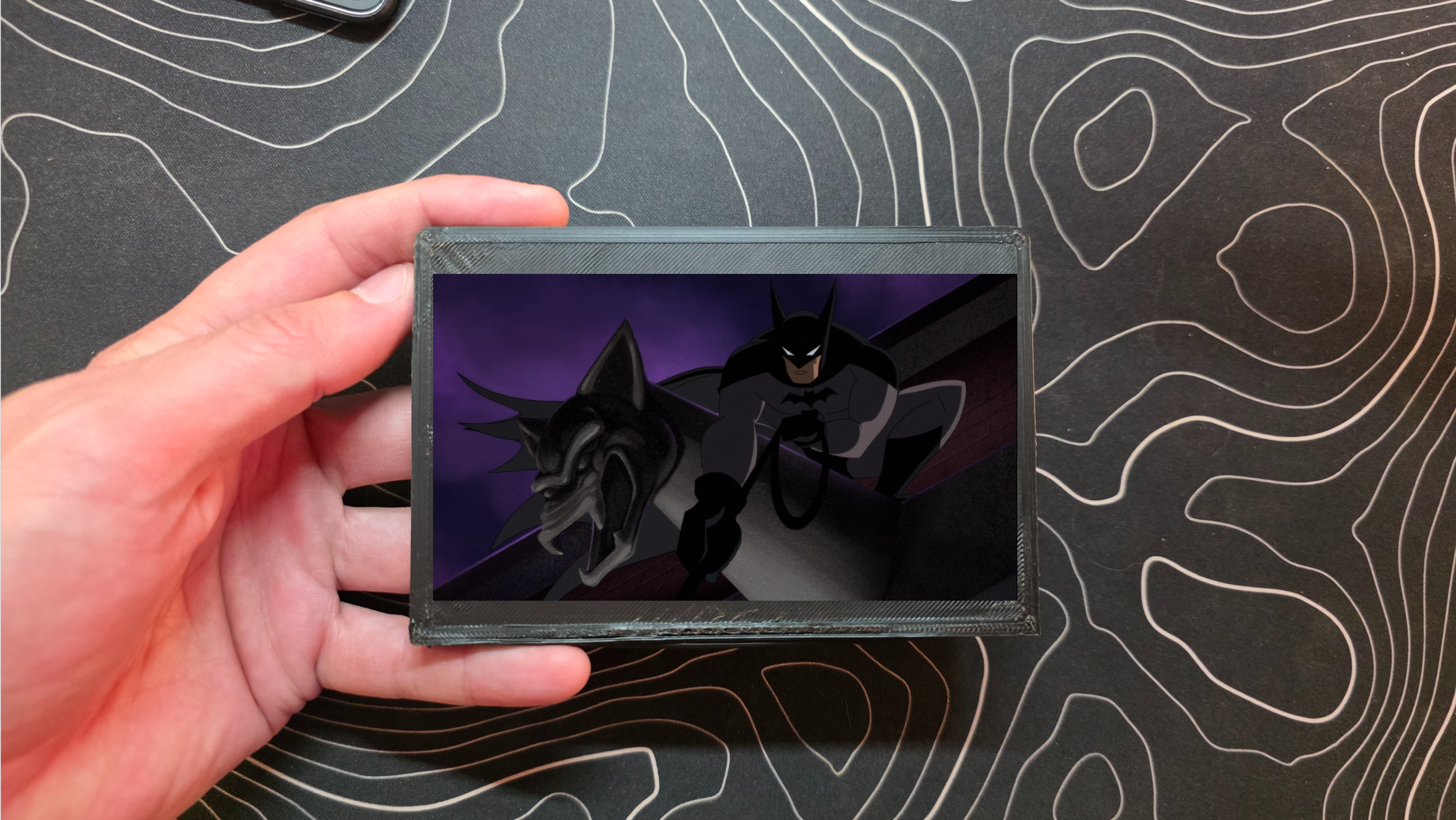
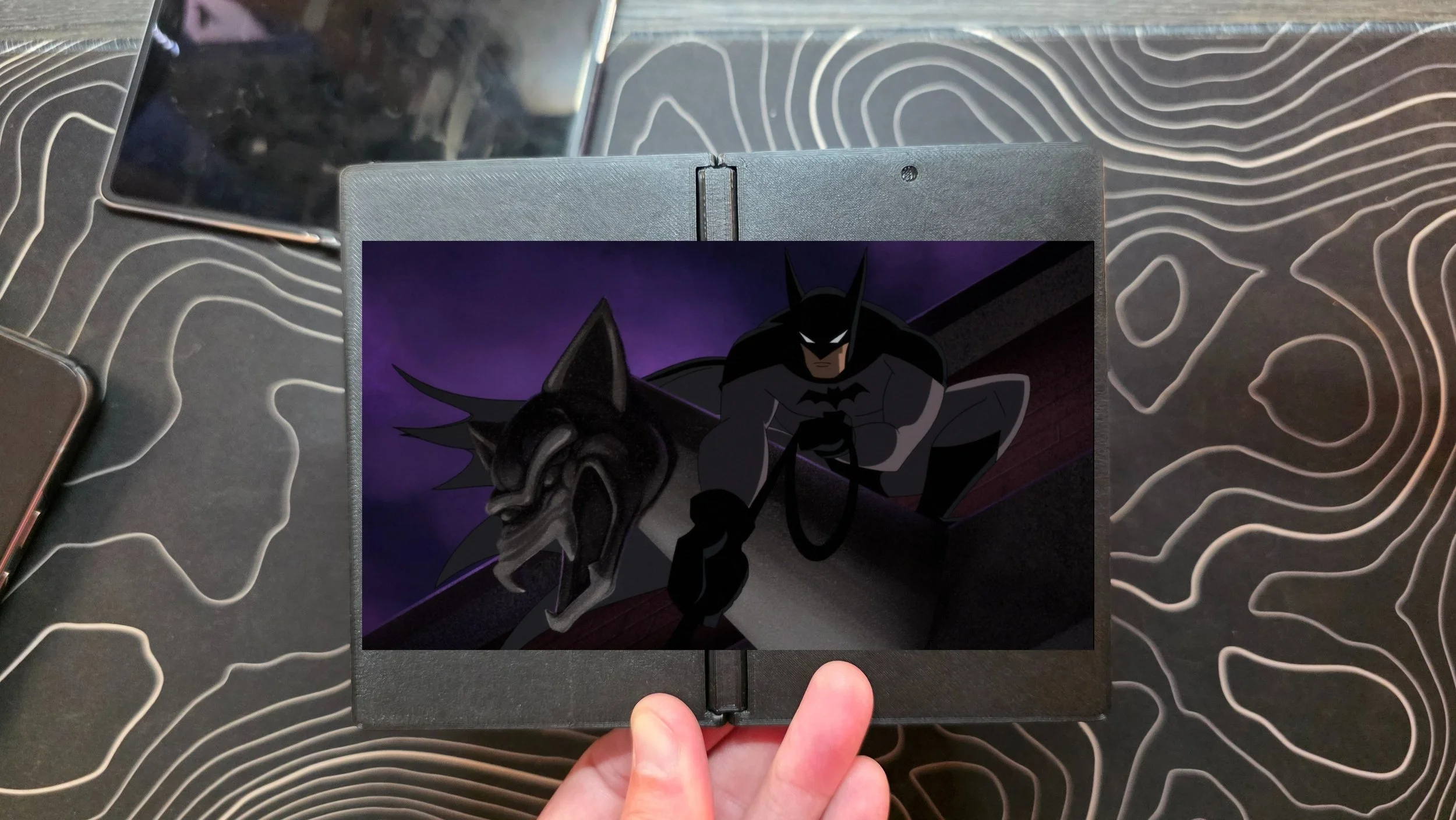
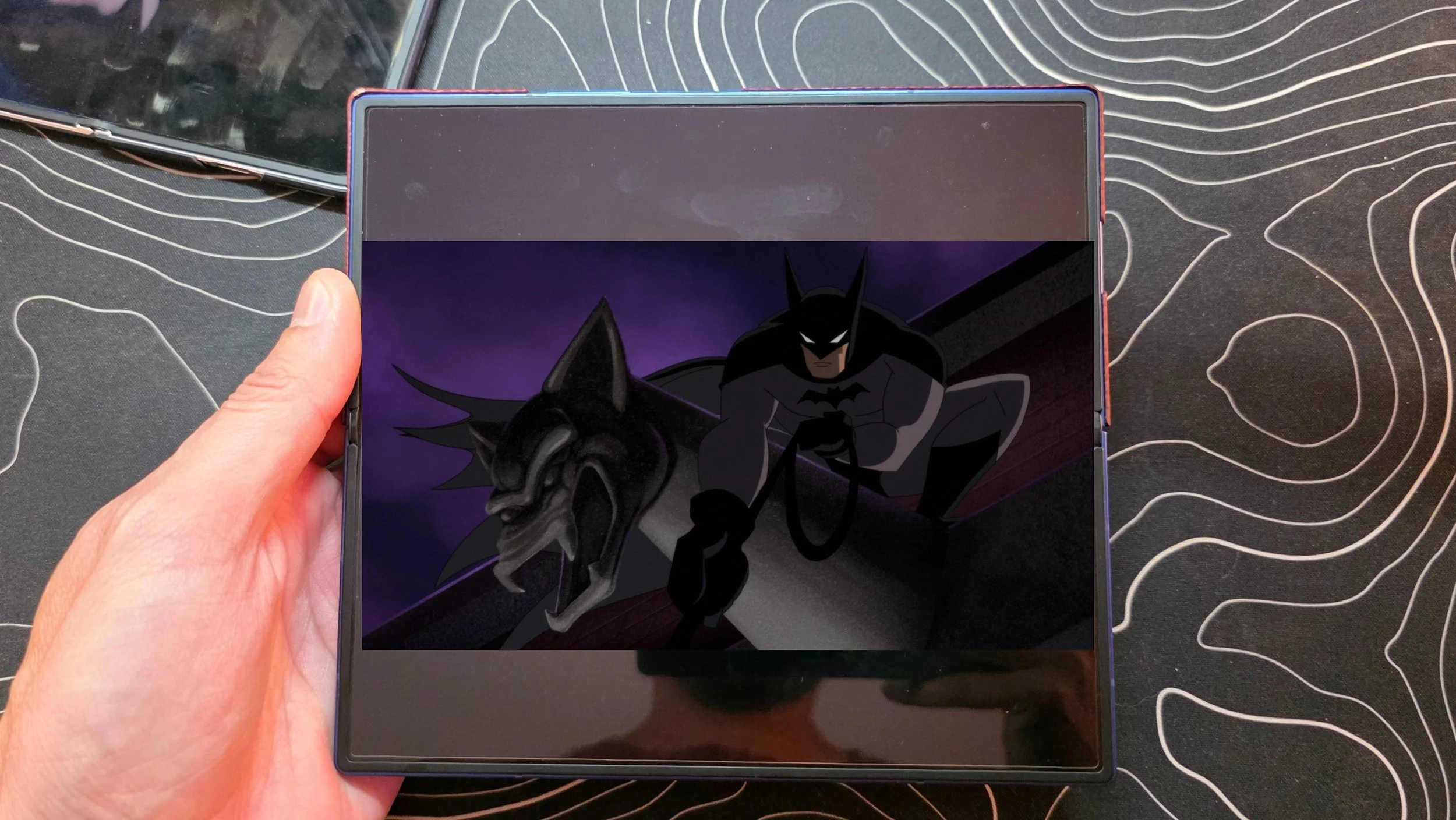
The altered dimensions of the standard model are becoming more real by the day. Renowned insider Ice Universe shared images of a tempered glass screen protector designed for the wider Galaxy Z Fold 8, giving us an exact look at the screen real estate.
The leak shows a cover display that is notably wider than what Samsung users are accustomed to. Side-by-side comparisons with massive devices like the Huawei Pura X Max show a striking similarity in overall footprint.
The real benefit of this shift comes down to content consumption. Superimposing a standard 16x9 video onto this new cover display reveals an almost perfect fit, minimizing the awkward black bars that plague modern narrow foldables.
The story improves on the internal screen as well. While you will still experience some letterboxing on the top and bottom when watching videos, it is a massive reduction compared to the heavy letterboxing on the narrow Ultra model.
Beyond media playback, this design shift is a massive win for daily usability. A wider cover screen fundamentally fixes mobile typing cramping and drastically improves overall usability. I have written extensively about why wider foldables are exactly what the market needed, alongside the ongoing reality that foldable phone cover displays should be comfortable for one-handed use. Samsung is finally leaning into that philosophy, even if the names they chose take some getting used to.